
Uhuru Peak – the Roof of Africa!
June 27, 2026A UNESCO World Heritage Site – Kilimanjaro National Park
June 27, 2026Kilimanjaro National Park: Explore Tanzania’s Iconic Mountain Wilderness
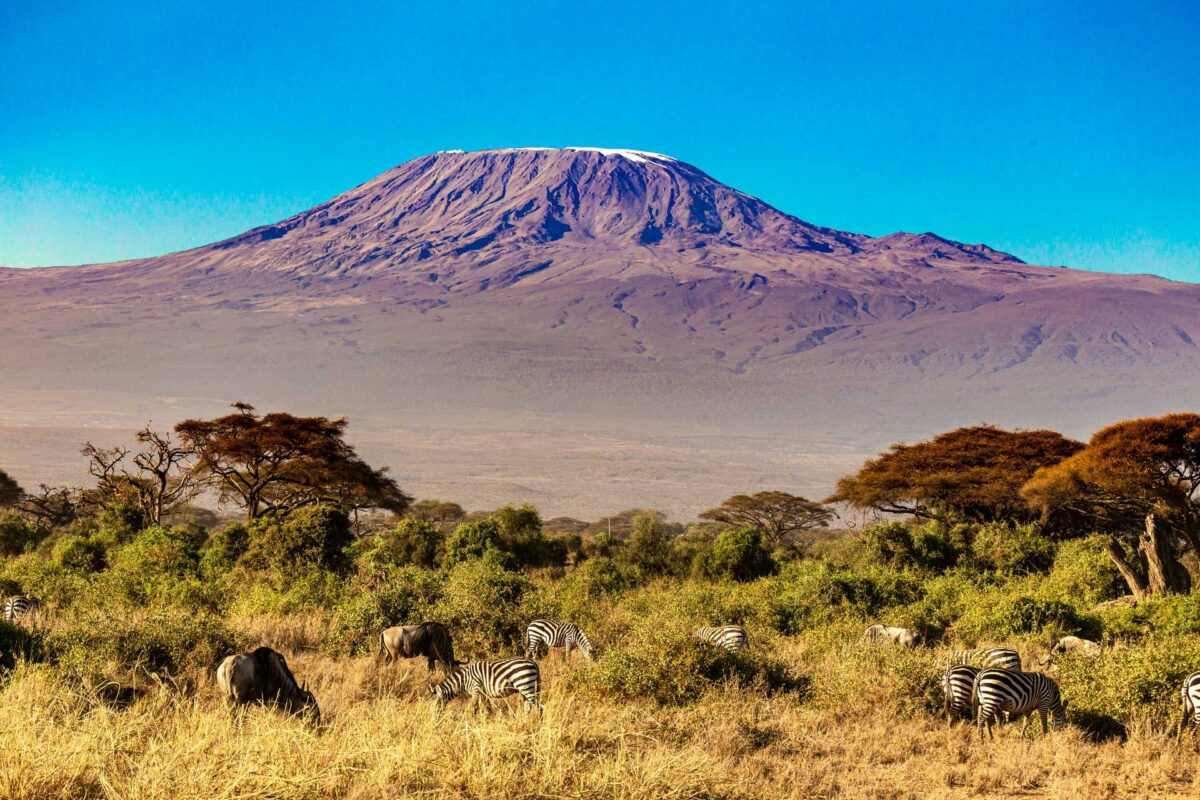
Kilimanjaro National Park is one of Tanzania’s most celebrated natural treasures and home to Mount Kilimanjaro, the highest mountain in Africa and the world’s tallest free-standing mountain. Covering approximately 1,688 square kilometers (652 square miles), the park protects the mountain’s unique ecosystems, spectacular landscapes, and extraordinary biodiversity. Designated as a UNESCO World Heritage Site in 1987, Kilimanjaro National Park attracts hundreds of thousands of visitors each year, making it one of Africa’s premier destinations for trekking, wildlife viewing, photography, and nature tourism. The park borders with Kenya on the northeastern side to Amboseli National park which is as well supports variety of wildlife including biggest Elephant herds in Africa
East Africa Jewellery – Kilimanjaro National Park Tanzania
Located in northeastern Tanzania near the Kenyan border, the park offers an unparalleled opportunity to experience one of the world’s most remarkable mountain environments. From lush tropical rain forests and alpine moorlands to volcanic deserts and glaciated summits, Kilimanjaro National Park showcases an incredible diversity of landscapes within a single protected area. Whether visitors aspire to reach the summit of Uhuru Peak or simply explore the mountain’s lower slopes, the park provides unforgettable experiences for adventurers and nature enthusiasts alike.
History and Conservation
Kilimanjaro has long held cultural, ecological, and spiritual significance for the local Chagga people, who have lived on the fertile slopes of the mountain for centuries. The mountain has also fascinated explorers, scientists, and mountaineers since it was first documented by European explorers in the nineteenth century.
The area surrounding Mount Kilimanjaro was initially protected as a forest reserve during the colonial period before being officially established as Kilimanjaro National Park in 1973. The park was opened to visitors in 1977, providing legal protection for the mountain’s fragile ecosystems and wildlife.
In recognition of its outstanding natural value, UNESCO designated Kilimanjaro National Park as a World Heritage Site in 1987. Today, the park is managed by the Tanzania National Parks Authority (TANAPA), which oversees conservation efforts, tourism management, ecological research, and environmental education.
Mount Kilimanjaro: The Park’s Crown Jewel
The defining feature of Kilimanjaro National Park is Mount Kilimanjaro itself, rising to 5,895 meters (19,341 feet) above sea level. The mountain consists of three volcanic cones—Kibo, Mawenzi, and Shira—formed through volcanic activity over millions of years.
Kibo crater rim is the youngest and highest cone and contains Uhuru Peak, the highest point in Africa. Although Kibo is classified as a dormant volcano, it still exhibits minor geothermal activity beneath its surface. Mawenzi, with its jagged volcanic pinnacles, presents a dramatic skyline, while Shira is the oldest cone, having collapsed to form the expansive Shira Plateau.
One of Kilimanjaro’s most remarkable characteristics is its ability to support multiple ecological zones within a relatively short vertical distance. Climbers ascend from tropical rain forest to arctic conditions in just a few days, making the mountain one of the world’s most biologically diverse trekking destinations.
Diverse Ecological Zones
Kilimanjaro National Park contains five major ecological zones, each characterized by distinct vegetation, wildlife, and climatic conditions.
Cultivated Foothills
Although technically outside the national park boundary, the lower slopes surrounding Kilimanjaro are home to fertile agricultural land cultivated primarily by the Chagga community. Coffee plantations, banana groves, and small farms dominate this landscape, benefiting from the rich volcanic soils and reliable rainfall.
Montane Rain forest
The lower elevations of the park are covered by dense tropical rain forest, which receives abundant rainfall throughout the year. This forest plays a vital role in regulating regional water supplies and supports a remarkable variety of plant and animal species.
Visitors may encounter blue monkeys, black-and-white colobus monkeys, bushbucks, duikers, and an impressive diversity of bird life, including colorful turacos and hornbills. Towering trees, moss-covered trunks, giant ferns, and climbing vines create one of East Africa’s richest forest ecosystems.
Heath and Moorland
Between approximately 2,800 and 4,000 meters, the rain forest gradually gives way to heath and moorland. This unique environment is characterized by giant lobelias, giant groundsels, heather shrubs, and open grasslands.
The cooler climate and distinctive vegetation make this zone one of Kilimanjaro’s most scenic regions, offering spectacular views of the mountain’s volcanic peaks.
Alpine Desert
Above the moorland lies the alpine desert, where harsh conditions limit vegetation growth. Low rainfall, strong winds, and intense sunlight create an environment dominated by volcanic rock, loose scree, and sparse plant life.
Despite its seemingly barren appearance, the alpine desert possesses a unique beauty, with expansive volcanic landscapes stretching toward the summit.
Arctic Summit Zone
The highest elevations of Kilimanjaro form an arctic environment characterized by glaciers, permanent ice fields, volcanic rock, and freezing temperatures. Oxygen levels are approximately half those at sea level, making this zone one of the most challenging environments for climbers.
The summit area provides breathtaking views across East Africa and showcases the mountain’s remaining glaciers, although these continue to retreat due to climate change.
Climbing Mount Kilimanjaro
Climbing Mount Kilimanjaro is the park’s most popular activity and attracts trekkers from around the world. Unlike many of the world’s highest mountains, Kilimanjaro can be climbed without technical mountaineering skills under normal conditions. Success depends primarily on physical fitness, proper acclimatization, and careful preparation.
Several official routes lead to Uhuru Peak, each offering unique scenery and varying levels of difficulty. Popular options include the Lemosho route, Machame route, Marangu route, Rongai, Shira route, Umbwe route, and Northern Circuit route.
Most climbs take between five and nine days, with longer itineraries providing better acclimatization and significantly improving summit success rates.
Wildlife and Biodiversity
Although Kilimanjaro National Park is best known for its mountain, it also supports an impressive diversity of wildlife. More than 140 mammal species and hundreds of bird species have been recorded within the park and surrounding forest reserve.
Common mammals include blue monkeys, black-and-white colobus monkeys, bushbucks, duikers, servals, and mongooses. Larger animals such as elephants, buffaloes, leopards, and elands occasionally inhabit the lower forest zones, although they are rarely encountered by climbers.
The park is also an important destination for birdwatchers, with species such as Hartlaub’s turaco, scarlet-tufted malachite sunbird, augur buzzard, and white-necked raven frequently observed at different elevations.
Game drive Safaris to Kilanjaro National Park in East Africa
Tourism and Visitor Experience
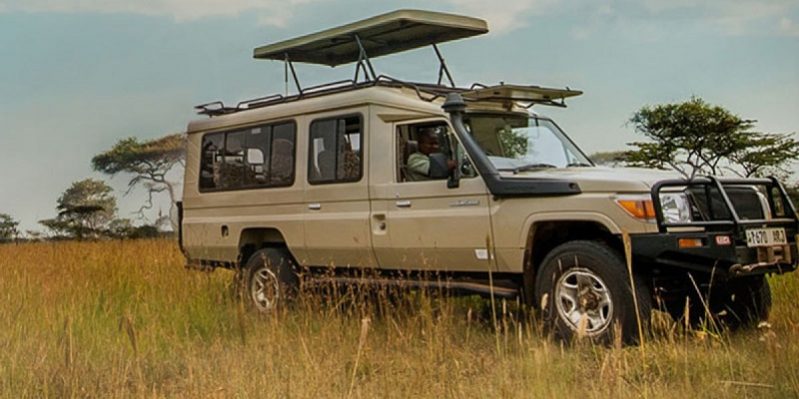
Kilimanjaro National Park offers much more than summit expeditions. Visitors can enjoy day hikes through the rain forest, cultural tours in nearby Chagga people villages, bird watching excursions, photography, and educational experiences focusing on the mountain’s geology and ecology.
Professional guides, porters, and cooks accompany all summit expeditions, ensuring climber safety while contributing significantly to the local economy. Tourism associated with Kilimanjaro supports thousands of Tanzanian families and plays a vital role in regional development.
Conservation Challenges
Despite its protected status, Kilimanjaro National Park faces several environmental challenges. Climate change has contributed to the rapid retreat of the mountain’s glaciers, while increasing visitor numbers require careful management to minimize environmental impacts.
Park authorities continue to implement conservation programs focusing on forest protection, sustainable tourism, wildlife conservation, waste management, and community engagement. Responsible tourism practices help preserve the park’s exceptional natural heritage for future generations.
Why Visit Kilimanjaro National Park?
Kilimanjaro National Park is one of Africa’s most extraordinary natural destinations, offering an unparalleled combination of scenic beauty, biodiversity, geological significance, and adventure. Few places in the world allow visitors to journey through tropical rain forest, alpine meadows, volcanic deserts, and glacial landscapes within a single expedition.
Whether climbing to the iconic summit of Uhuru Peak, exploring the mountain’s diverse ecosystems, or learning about the culture of the surrounding communities, visitors discover an environment that is both inspiring and unforgettable.
Conclusion
Kilimanjaro National Park stands as a symbol of Tanzania’s rich natural heritage and one of the world’s greatest protected mountain landscapes. Home to Africa’s highest peak, diverse ecosystems, unique wildlife, and remarkable geological formations, the park offers an experience unlike any other destination on the continent.
From the lush forests at its base to the snow-capped summit of Mount Kilimanjaro, the park continues to captivate adventurers, scientists, photographers, and nature lovers from around the globe. For anyone seeking an unforgettable journey into one of Earth’s most spectacular mountain environments, Kilimanjaro National Park remains an essential destination and a true jewel of East Africa.