
Kilimanjaro National Park
June 27, 2026The Chagga People of Mount Kilimanjaro
June 27, 2026A UNESCO World Heritage Site -Kilimanjaro National Park – Tanzania’s Natural Treasure
Nestled in the heart of northern Tanzania, Kilimanjaro National Park is one of Africa’s most iconic protected areas and home to the legendary Mount Kilimanjaro, the highest mountain on the African continent. Recognized as a UNESCO World Heritage Site in 1987, the park is internationally celebrated for its exceptional natural beauty, geological significance, and extraordinary ecological diversity. Every year, thousands of travelers, mountaineers, photographers, and nature enthusiasts visit the park to experience its breathtaking landscapes and undertake the unforgettable journey to Uhuru Peak, the “Roof of Africa.”
Covering approximately 1,688 square kilometers (652 square miles), Kilimanjaro National Park protects the upper slopes and summit of Mount Kilimanjaro, while the surrounding forest reserve safeguards the mountain’s lower montane forests. Rising dramatically from the plains of northern Tanzania to an elevation of 5,895 meters (19,341 feet), Mount Kilimanjaro is the world’s tallest free-standing mountain and one of the most remarkable volcanic formations on Earth.
Beyond its famous summit, the park offers visitors an exceptional combination of diverse ecosystems, unique wildlife, fascinating geology, and rich cultural heritage. Whether trekking through ancient rain forests, exploring volcanic landscapes, or witnessing sunrise from Africa’s highest point, Kilimanjaro National Park provides an experience unlike any other.
UNESCO World Heritage Recognition
Kilimanjaro National Park earned its place on the UNESCO World Heritage List because of its Outstanding Universal Value. The mountain is recognized as one of the world’s finest examples of a free-standing volcanic massif, rising nearly 5,000 meters above the surrounding plains without the support of a mountain range.
UNESCO also acknowledged the park for its remarkable ecological diversity. Within a relatively short horizontal distance, visitors pass through several distinct climatic and vegetation zones, each supporting specialized plant and animal communities. This rare environmental transition, from tropical rain forest to alpine desert and glaciated summit, makes Kilimanjaro one of the most scientifically significant mountain ecosystems in the world.
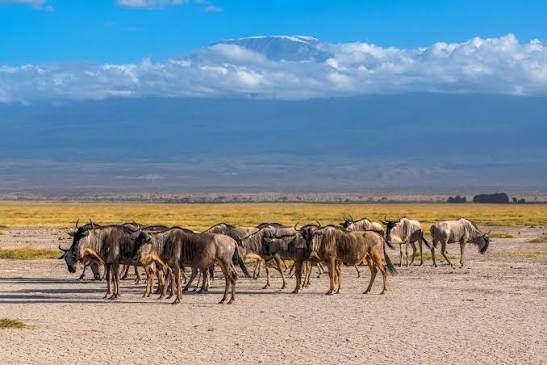
A UNESCO World Heritage site – Kilimanjaro National Park
The UNESCO designation has strengthened conservation efforts, promoted sustainable tourism, and increased international recognition of Tanzania’s commitment to protecting one of Africa’s greatest natural treasures.
Mount Kilimanjaro: Africa’s Highest Mountain
The centerpiece of the national park is Mount Kilimanjaro, Africa’s tallest mountain and one of the world’s most famous trekking destinations. Unlike mountain chains formed by continental collisions, Kilimanjaro is a massive free-standing stratovolcano created by volcanic activity over millions of years.
The mountain consists of three volcanic cones:
Kibo, the highest and youngest cone, which contains Uhuru Peak and the mountain’s dormant volcanic crater.
Mawenzi, a rugged and deeply eroded volcanic peak characterized by dramatic ridges and pinnacles.
Shira, the oldest cone, which collapsed over time to form the expansive and scenic Shira Plateau.
Although Kibo has not erupted in recorded history, it remains classified as a dormant volcano due to the presence of fumaroles and geothermal activity within the crater.
This unique volcanic landscape has made Kilimanjaro one of the world’s most important geological landmarks and an enduring symbol of Tanzania.
Remarkable Ecological Diversity
One of Kilimanjaro National Park’s defining characteristics is its extraordinary range of ecological zones. Climbers ascending the mountain experience dramatic environmental changes that are rarely found anywhere else on Earth.
Cultivated Foothills
The lower slopes surrounding the national park are home to the Chagga people, whose fertile farms have flourished for centuries. Rich volcanic soils support the cultivation of bananas, coffee, maize, beans, avocados, and numerous other crops, making the region one of Tanzania’s most productive agricultural areas.
Montane Rainforest
Above the cultivated zone lies a dense montane rain forest that receives abundant rainfall throughout the year. This lush forest forms one of East Africa’s most important water catchment systems, supplying fresh water to millions of people living in northern Tanzania.
The rain forest is rich in biodiversity and provides habitat for blue monkeys, black-and-white colobus monkeys, bushbucks, Abbott’s duikers, tree hyraxes, and an impressive variety of birds, butterflies, and insects.
Heath and Moorland
As elevation increases, the rain forest gradually gives way to heath and moorland. This unique ecosystem is characterized by giant heather, giant lobelias, everlasting flowers, and the iconic giant groundsels that have adapted to the cool mountain climate.
Open landscapes, dramatic valleys, and sweeping views of the volcanic peaks make this one of the most picturesque sections of the mountain.
Alpine Desert
The alpine desert is a harsh but beautiful environment where vegetation becomes increasingly sparse due to strong winds, intense solar radiation, freezing nights, and limited rainfall. Vast expanses of volcanic rock, lava formations, and loose scree dominate the landscape, creating an otherworldly setting unlike any other in Africa.
Arctic Summit Zone
The highest elevations of Mount Kilimanjaro form an arctic environment despite the mountain’s proximity to the equator. Permanent ice fields, glaciers, volcanic rock, and sub-zero temperatures characterize this summit zone.
At nearly 6,000 meters above sea level, oxygen levels are approximately half those at sea level, making this the most physically demanding stage of the climb. The summit glaciers provide one of Kilimanjaro’s most iconic landscapes, although they continue to shrink due to climate change.
Wildlife and Biodiversity
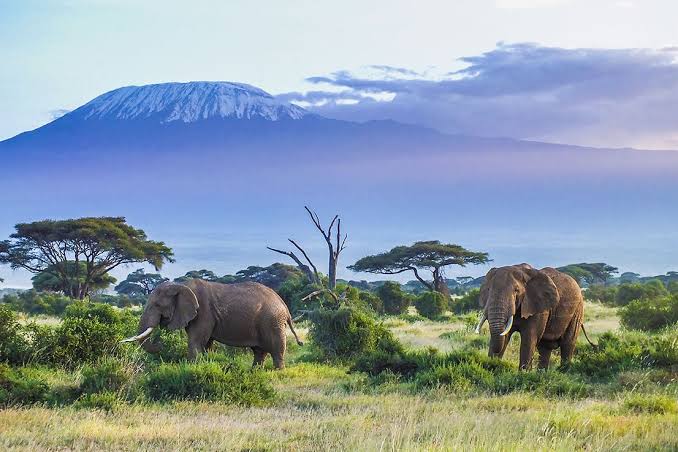
A UNESCO World Heritage site -Kilimanjaro National Park
Although Kilimanjaro National Park is renowned primarily for mountain trekking, it also supports an impressive diversity of wildlife. The park and surrounding forest reserve are home to more than 140 mammal species and hundreds of bird species.
The lower forest is inhabited by blue monkeys, black-and-white colobus monkeys, bushbucks, duikers, tree hyraxes, and numerous small mammals. Larger wildlife, including African elephants, Cape buffaloes, leopards, and elands, occasionally inhabit the forested slopes but are rarely encountered by climbers.
Birdlife is particularly abundant, with species such as Hartlaub’s turaco, scarlet-tufted malachite sunbird, white-necked raven, augur buzzard, and several endemic high-altitude birds making the park an excellent destination for bird watching.
Climbing Mount Kilimanjaro
For most visitors, climbing Mount Kilimanjaro is the highlight of their visit. Every year, tens of thousands of trekkers attempt to reach Uhuru Peak via one of the mountain’s established climbing routes.
Unlike many high-altitude peaks around the world, Kilimanjaro does not require technical climbing skills or specialized mountaineering equipment under normal conditions. However, the high altitude presents a significant challenge, making proper acclimatization essential for a successful ascent.
Popular routes include the Lemosho, Machame, Marangu, Rongai, Shira, Umbwe, and Northern Circuit routes. Each offers unique scenery, varying levels of difficulty, and different acclimatization profiles. Longer itineraries generally provide higher summit success rates by allowing climbers more time to adapt to the reduced oxygen levels.
The Cultural Heritage of the Chagga People
The fertile slopes of Mount Kilimanjaro have been inhabited by the Chagga people for hundreds of years. Their close relationship with the mountain has shaped their traditions, agriculture, and way of life.
Visitors often combine their trekking adventure with cultural excursions to Chagga villages, where they can explore traditional homes, underground caves once used for protection during tribal conflicts, local coffee farms, and vibrant community markets. These experiences offer valuable insight into one of Tanzania’s most fascinating cultural landscapes while supporting community-based tourism initiatives.
Conservation and Sustainable Tourism
As one of Tanzania’s most visited protected areas, Kilimanjaro National Park plays a vital role in both biodiversity conservation and the country’s tourism economy. The park is managed by the Tanzania National Parks Authority (TANAPA), which is responsible for protecting its ecosystems while ensuring that tourism remains environmentally sustainable.
Conservation efforts focus on forest restoration, wildlife protection, trail maintenance, waste management, scientific research, and environmental education. The park also works closely with surrounding communities to promote sustainable livelihoods through tourism and conservation partnerships.
One of the greatest environmental challenges facing Kilimanjaro is the continued retreat of its glaciers. Scientists have documented substantial ice loss over the past century, highlighting the impacts of climate change on one of Africa’s most iconic natural landmarks. Sustainable tourism and responsible environmental management remain essential to preserving the park’s unique ecosystems for future generations.
Why Visit Kilimanjaro National Park?
Kilimanjaro National Park offers an unparalleled combination of adventure, natural beauty, biodiversity, and cultural heritage. Few destinations in the world allow visitors to journey from lush tropical rain forest to an arctic summit within a single expedition while experiencing such dramatic changes in climate, vegetation, and scenery.
Whether climbing to Uhuru Peak, observing unique wildlife, exploring volcanic landscapes, photographing spectacular scenery, or discovering the traditions of the Chagga people, every visit provides an unforgettable experience. The park appeals not only to mountaineers but also to nature lovers, birdwatchers, photographers, researchers, and travelers seeking one of Africa’s most iconic destinations.
Conclusion
Kilimanjaro National Park is far more than the home of Africa’s highest mountain—it is a globally significant conservation area that showcases the extraordinary beauty, ecological diversity, and geological history of Tanzania. Its UNESCO World Heritage designation reflects its importance as one of the planet’s most remarkable natural landscapes.
From ancient rain forests and alpine meadows to volcanic deserts and glaciated peaks, the park offers an unparalleled journey through some of the world’s most diverse mountain ecosystems. Combined with its rich cultural heritage and world-class trekking opportunities, Kilimanjaro National Park continues to inspire visitors from around the globe.
Whether your goal is to conquer Uhuru Peak, immerse yourself in nature, or explore one of Africa’s greatest natural wonders, Kilimanjaro National Park promises an adventure that is both unforgettable and truly life-changing.