Thomson Falls
June 29, 2026The Aberdare Ranges of Central Kenya
June 30, 2026A Lifeline of Northern Kenya and Its Importance to Tourism and Local Communities
The Ewaso Nyiro River is one of Kenya’s most important river systems, serving as a vital source of water, biodiversity, and economic activity across the country’s central highlands and arid northern regions. Originating from the forested slopes of the Aberdare Range and Mount Kenya, the river flows eastward for approximately 700 kilometers (435 miles) before dissipating in the Lorian Swamp in Isiolo County. Along its course, the river supports agriculture, wildlife, tourism, pastoral livelihoods, and millions of people living in some of Kenya’s driest landscapes.
The name Ewaso Nyiro comes from the Maasai People and means “Brown Water,” in Masaai Language, a reference to the river’s sediment-rich waters during the rainy season. Over centuries, the river has shaped ecosystems, sustained human settlements, and created some of Kenya’s most important wildlife habitats. Today, it remains one of the country’s most valuable natural resources, playing a central role in conservation, tourism, and sustainable development.
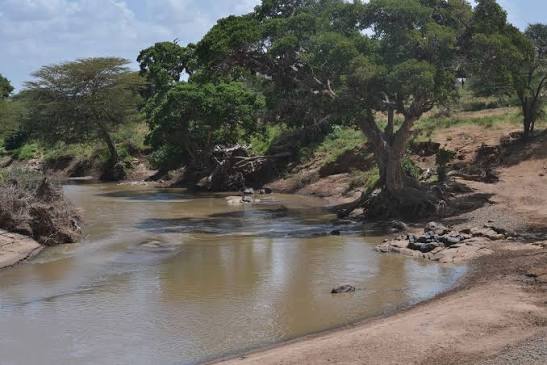
Ewaso Nyiro River Also called Brown river of Central Kenya
Geography and Course of the River
The Ewaso Nyiro River begins in the cool, forested highlands of central Kenya, where rainfall on the slopes of Mount Kenya and the Aberdare Range feeds numerous streams and tributaries. These headwaters merge to form the river, which flows through Nyandarua, Laikipia, Nyeri, Isiolo, Samburu, Marsabit, Wajir, and Garissa counties before reaching the seasonal wetlands of the Lorian Swamp.
As the river descends from the fertile highlands into Kenya’s semi-arid and arid regions, it becomes an increasingly vital source of freshwater. In many areas, it is the only permanent river, sustaining wildlife, livestock, agriculture, and human settlements throughout the year.
The river’s diverse landscapes include mountain forests, grasslands, savannahs, rocky gorges, wetlands, and dry bushland, making it one of Kenya’s most ecologically significant waterways.
Importance to Local Communities
For generations, the Ewaso Nyiro River has served as a lifeline for the communities living along its banks. It provides water for domestic use, irrigation, livestock, fishing, and small-scale industries, supporting both rural livelihoods and regional economies.
Farmers in the upper catchment depend on the river to irrigate crops such as maize, vegetables, fruits, coffee, tea, and flowers. The fertile soils and reliable water supply have made the central highlands one of Kenya’s most productive agricultural regions.
Further downstream, pastoral communities including the Samburu, Borana, Turkana, and Somali rely on the river to water their cattle, goats, sheep, and camels. During prolonged dry seasons, the river often becomes the only dependable source of water for both people and livestock, highlighting its critical importance to food security and pastoral livelihoods.
The river also supports local businesses, including irrigation schemes, fisheries, livestock markets, and eco-tourism enterprises that generate income and employment for surrounding communities.
A Vital Water Source
The Ewaso Nyiro River is one of Kenya’s most important water catchment systems. Its headwaters are protected by the forests of Mount Kenya and the Aberdare Range, which capture rainfall and regulate river flow throughout the year.
Healthy forest ecosystems help reduce soil erosion, improve water quality, recharge groundwater, and maintain consistent river flows. These environmental services are essential not only for local communities but also for wildlife and agriculture across northern Kenya.
However, increasing demand for water, expanding agriculture, deforestation, and climate change have placed growing pressure on the river’s resources. Sustainable water management and catchment conservation are therefore essential to safeguard the river for future generations.
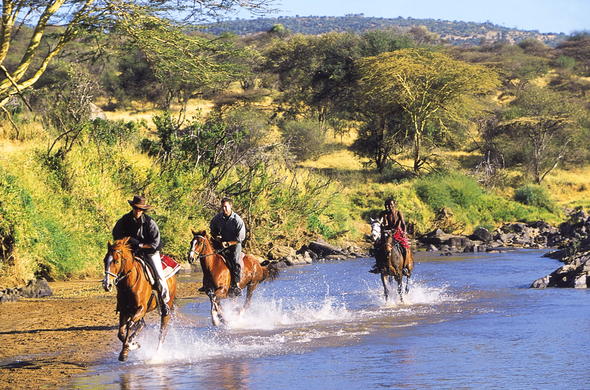
Ewaso Nyiro River Also called Brown river vital water source
Tourism Importance
The Ewaso Nyiro River is one of Kenya’s most significant tourism assets because it flows through several internationally renowned wildlife conservation areas. The river provides year-round water that attracts large concentrations of animals, making it an excellent destination for wildlife viewing and photographic safaris.
Among the protected areas that depend on the river are Samburu National Reserve, Buffalo Springs National Reserve, and Shaba National Reserve. These reserves are collectively known for their spectacular landscapes and unique wildlife species adapted to northern Kenya’s dry environments.
Visitors traveling along the river have opportunities to observe elephants, lions, leopards, cheetahs, crocodiles, hippos, giraffes, zebras, antelopes, and numerous bird species gathering along its banks. The river transforms otherwise dry landscapes into thriving ecosystems that sustain wildlife throughout the year.
On the outskirts of Nyahururu town the Ewaso Nyiro river runs through a narrow gorge pour of 74 meters high forming out of this world waterfalls Thomson falls. There are several trails around the falls for tourists who are interested in a nature walk around the spectacular waterfall and the natural forest.
Game drives along the river are among the highlights of any safari in northern Kenya, particularly during the dry season when animals congregate around permanent water sources.
Wildlife and Biodiversity
The Ewaso Nyiro River supports one of Kenya’s richest concentrations of biodiversity. Its riverine forests, wetlands, and floodplains provide habitat for a wide range of mammals, reptiles, fish, amphibians, and birds. this attracts a number adventurers including those on Self drive Kenya safaris
Large populations of African elephants regularly visit the river to drink and bathe, while Nile crocodiles and hippopotamuses inhabit its deeper pools. The surrounding woodlands shelter predators such as lions, leopards, and hyenas, as well as herbivores including buffaloes, impalas, waterbucks, and gazelles.
The river is also famous for the “Samburu Special Five,” a group of rare northern Kenya wildlife species that include the Grevy’s zebra, reticulated giraffe, Somali ostrich, Beisa oryx, and gerenuk. These animals are major attractions for international visitors and contribute significantly to Kenya’s wildlife tourism.
Birdwatchers are equally rewarded, with more than 450 bird species recorded along sections of the river, including kingfishers, herons, fish eagles, bee-eaters, hornbills, and migratory waterbirds.
Cultural Significance
The Ewaso Nyiro River has long been central to the cultures of the communities living along its course. For pastoral societies such as the Samburu and Borana, the river represents life, prosperity, and resilience in an environment where rainfall is often unpredictable.
Traditional ceremonies, livestock movements, and seasonal migrations have historically been closely linked to the river’s flow. Even today, many communities maintain cultural practices and traditional ecological knowledge that promote the sustainable use of water and natural resources.
Visitors to the region can combine wildlife safaris with cultural experiences, including visits to Samburu villages where they learn about traditional pastoral lifestyles, bead work, music, dance, and indigenous conservation practices.
Environmental Challenges
Despite its importance, the Ewaso Nyiro River faces several environmental challenges. Population growth, increasing agricultural demand, illegal water abstraction, deforestation in the upper catchment, pollution, and climate change have all affected river flows and water quality.
During prolonged droughts, reduced water levels can create competition among wildlife, livestock, farmers, and local communities. Conservation organizations, government agencies, and community groups are working together to promote sustainable water management, reforestation, watershed protection, and climate resilience.
Protecting the river’s headwaters and maintaining healthy ecosystems are essential to ensuring the long-term sustainability of this vital natural resource.
Sustainable Tourism and Conservation
Tourism plays an important role in supporting conservation efforts along the Ewaso Nyiro River. Revenue generated from national reserves, community conservancies, lodges, and guided safaris contributes to wildlife protection, habitat restoration, anti-poaching initiatives, and local community development.
Many Eco-lodges and safari operators actively support conservation programs by employing local residents, promoting responsible tourism, and investing in environmental education. Community-based conservancies have also helped create sustainable livelihoods while protecting wildlife habitats and reducing human-wildlife conflict.
Visitors are encouraged to practice responsible tourism by respecting wildlife, minimizing waste, conserving water, and supporting locally owned businesses and conservation initiatives.
Conclusion
The Ewaso Nyiro River is far more than a watercourse—it is the lifeblood of northern Kenya. From its forested origins on the slopes of Mount Kenya and the Aberdare Range to the vast plains of Samburu and the wetlands of the Lorian Swamp, the river sustains ecosystems, supports livelihoods, and drives tourism across one of Kenya’s most diverse regions.
Its importance extends beyond agriculture and water supply to include wildlife conservation, cultural heritage, Eco-tourism, and regional economic development. As one of Kenya’s most valuable natural resources, the Ewaso Nyiro River continues to nourish communities, sustain iconic wildlife, and inspire visitors from around the world.
Protecting this remarkable river through responsible environmental management and sustainable tourism is essential to preserving its ecological and cultural significance for future generations, ensuring that it remains a symbol of life, resilience, and natural beauty in the heart of Kenya.