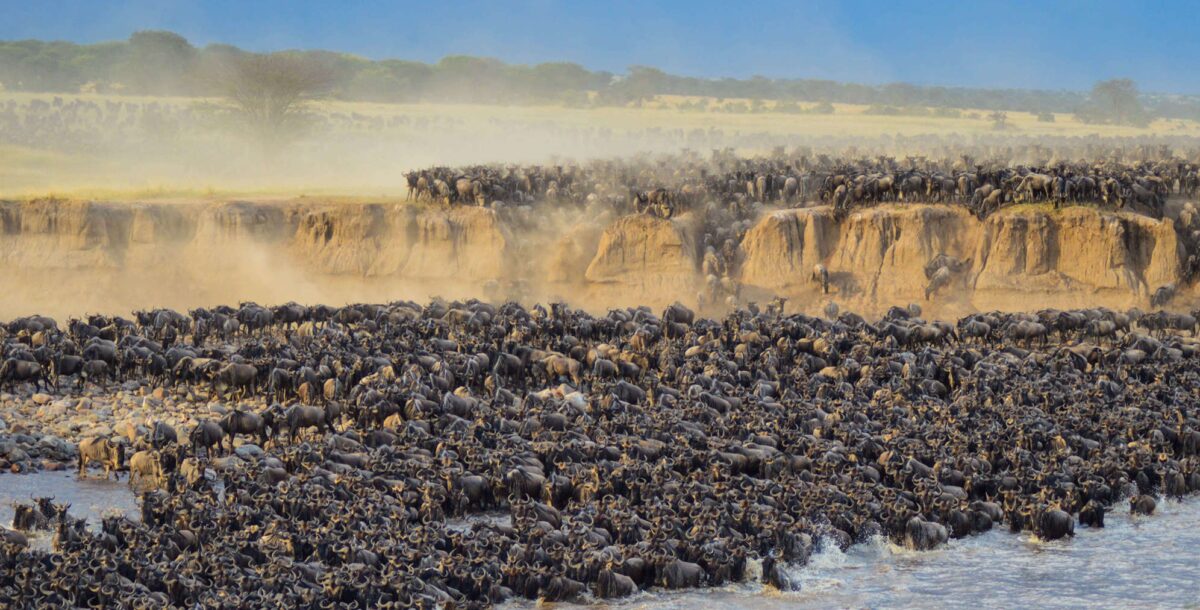
Ngai of Mount Kenya
June 30, 2026Samburu National Reserve
June 30, 2026Explore the Masaai Cultural Beliefs, a Major Tourist Attraction in Kenya and Tanzania
The Masaai are one of the most famous indigenous ethnic communities in East Africa, living mainly in southern Kenya and northern Tanzania. They are internationally recognized for their rich cultural heritage, colorful traditional clothing, pastoral lifestyle, and unique customs. The Masaai have successfully preserved many of their traditions despite modernization, making them one of the leading cultural attractions for tourists visiting Kenya and Tanzania.
Their close relationship with wildlife and their presence near world-renowned national parks have made Masaai culture an important component of East Africa’s tourism industry.
Background of the Masaai
The Masaai belong to the Nilotic ethnic group and are believed to have migrated from the Nile Valley into East Africa several centuries ago. Today, they inhabit regions surrounding major conservation areas such as the Masaai Mara National Reserve in Kenya and the Serengeti National Park and Ngorongoro Conservation Area in Tanzania.
Traditionally, the Masaai are semi-nomadic pastoralists who depend mainly on cattle, goats, and sheep for their livelihood. Cattle are central to their economy, culture, and spiritual beliefs.
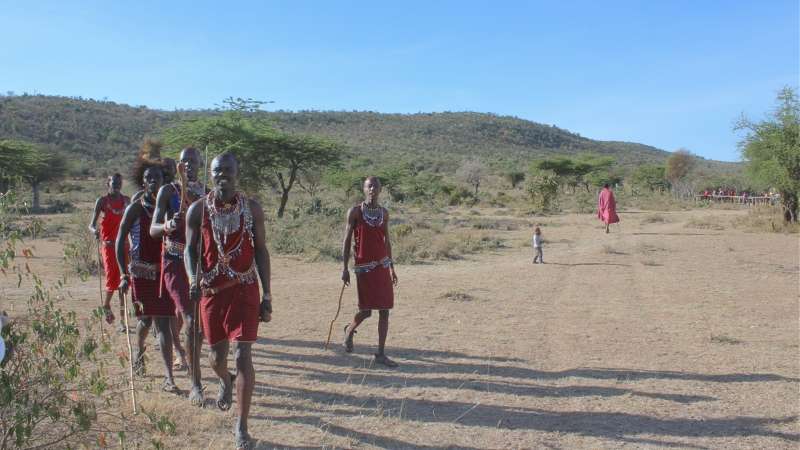
The Community of Masaai People
Cultural Beliefs of the Maasai
Belief in Enkai Ngai
The Masaai believe in one supreme God known as Enkai or Ngai, who is regarded as the creator of all living things. Enkai is believed to provide rain, fertility, cattle, health, and prosperity. The Masaai traditionally believe that all cattle were entrusted to them by Enkai, making livestock sacred.
Importance of Cattle
Cattle symbolize wealth, social status, prestige, and blessings. They are used during marriage ceremonies, religious rituals, traditional sacrifices, and conflict resolution. Milk, meat, and occasionally blood form important parts of the traditional Masaai diet.
Respect for Elders
Elders are highly respected because they preserve cultural traditions, settle disputes, lead ceremonies, and guide community decision-making. Wisdom and experience are highly valued in Masaai society.
Age-Set System
The Masaai organize society into age groups known as age sets. Boys undergo initiation ceremonies before becoming warriors (Moran). As they grow older, they assume greater family and community responsibilities, eventually becoming elders.
Traditional Ceremonies
The Masaai celebrate important life events through ceremonies such as births, circumcision, marriage, and elderhood. These ceremonies include prayers, blessings, music, dancing, storytelling, and feasting.
Traditional Dress
The Masaai are famous for wearing brightly colored Shúkà cloth, especially in red, blue, and purple. Both men and women decorate themselves with elaborate bead necklaces, bracelets, earrings, belts, and head ornaments, each carrying cultural significance.
Traditional Homes
Masaai families live in traditional houses called manyattas, which are built using mud, sticks, grass, and cow dung. These homes are designed to suit their pastoral way of life.
The Masaai as a Major Tourist Attraction
The Masaai are among the biggest cultural attractions in both Kenya and Tanzania because they offer visitors authentic experiences of traditional African culture.
Cultural Village Tours
Tourists visit Masaai villages to learn about traditional lifestyles, family structures, livestock keeping, architecture, and indigenous knowledge. Guided tours provide insight into the daily lives of the Masaai.
Traditional Dance (Adumu)
One of the most popular attractions is the Adumu, commonly known as the Masaai jumping dance. Warriors perform synchronized jumping while singing rhythmic songs, demonstrating strength, endurance, and cultural pride. The higher you jump the better
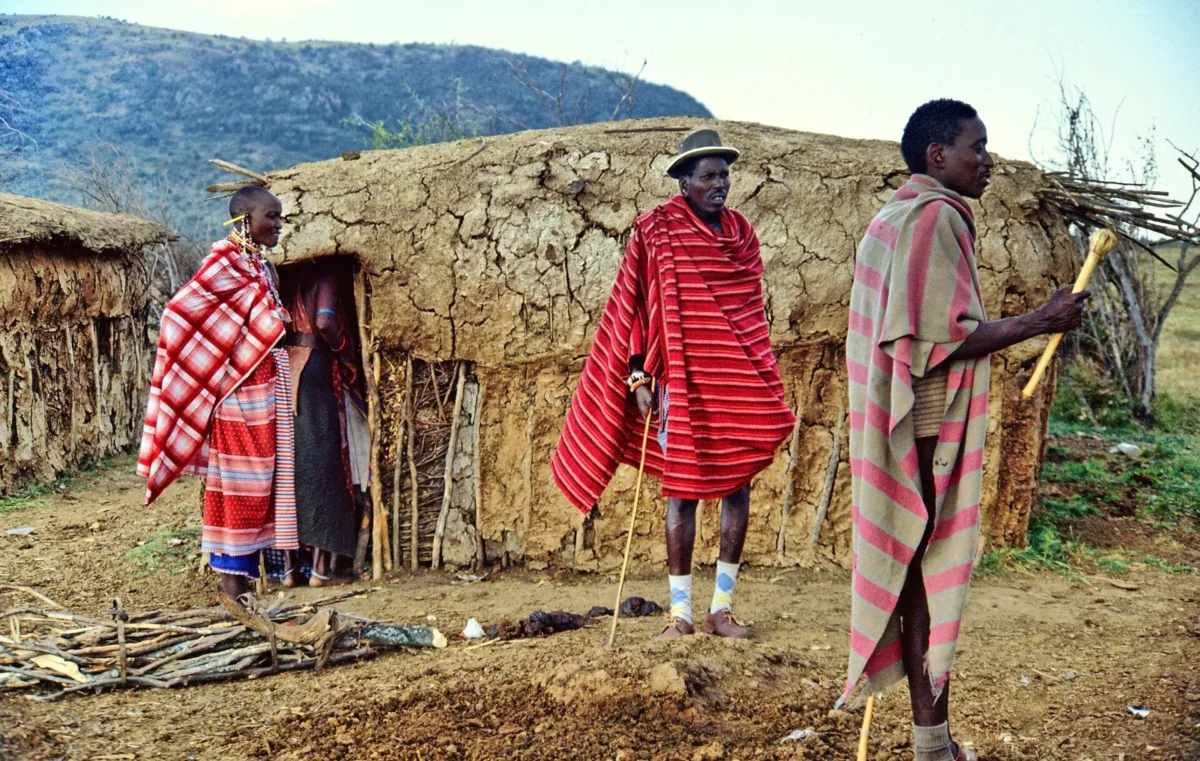
Traditional homes of Masai People
Traditional Music
The Masaai perform traditional songs during ceremonies and cultural performances. Their music relies mainly on vocal harmonies, rhythmic chanting, and coordinated movement rather than musical instruments.
Handicrafts and Bead work
Masaai women produce beautiful handmade jewelry, bead work, sandals, baskets, belts, and decorative items just like Kikuyu People. These crafts are popular souvenirs that provide income for local families.
Cultural Photography
The Masaai’s colorful clothing, unique hairstyles, ornaments, and traditional ceremonies make them one of the most photographed communities in Africa. Tourists enjoy capturing these vibrant cultural experiences.
Traditional Cuisine
Visitors may experience traditional Masaai foods such as roasted meat, fresh milk, and other locally prepared dishes while learning about their cultural significance.
Wildlife Tourism
Many Masaai communities live near protected wildlife areas, allowing tourists to combine cultural visits with wildlife safaris. The Masaai have co-existed with wildlife for generations and possess extensive knowledge of local ecosystems. Masaai’s are employed directly as diver guide, Rangers, Potters and Escorts to adventure Tourists as well as Cultural tourists including those on self drive Kenya.
Contribution of Masaai Culture to Tourism
Masaai culture contributes significantly to the tourism industries of Kenya and Tanzania by:
Attracting thousands of international and domestic tourists each year.
Promoting cultural tourism alongside wildlife safaris.
Enhancing the global image of Kenya and Tanzania as leading cultural tourism destinations.
Encouraging cultural exchange between visitors and local communities.
Supporting conservation through community-based tourism initiatives.
Benefits of Tourism to the Masaai Community
Tourism provides numerous social and economic benefits, including:
Employment as tour guides, cultural performers, lodge staff, drivers, and conservation workers.
Income from entrance fees to cultural villages.
Sales of traditional handicrafts, jewelry, and artwork.
Improved access to education through tourism-supported schools and scholarships.
Better healthcare and community development projects.
Improved infrastructure such as roads, water systems, and communication networks.
Empowerment of women through bead work and handicraft enterprises.
Increased awareness of wildlife conservation and environmental protection.
Challenges
Despite these benefits, the Masaai face challenges such as climate change, land-use pressures, human–wildlife conflict, commercialization of cultural practices, and the influence of modernization on traditional lifestyles. Sustainable tourism and community participation are essential to preserving Masaai heritage while improving livelihoods.
Conclusion
The Masaai people are one of the most important cultural symbols of Kenya and Tanzania. Their belief in Enkai, pastoral lifestyle, colorful attire, traditional ceremonies, music, dance, and craftsmanship make them a major attraction for tourists from around the world. Cultural tourism not only preserves Masaai traditions but also creates employment, generates income, supports conservation, and contributes significantly to the economies of both countries. Promoting responsible and community-based tourism will help ensure that Masaai culture continues to thrive while benefiting present and future generations.