
Ewaso Nyiro River
June 29, 2026Aberdare National Park
June 30, 2026Explore the Aberdare Ranges of Central Kenya:
The Aberdare Ranges are among Kenya’s most spectacular mountain landscapes, forming a scenic highland region that stretches across the central part of the country. Rising dramatically along the eastern edge of the Great Rift Valley, the Aberdares are renowned for their dense montane forests, bamboo woodlands, cascading waterfalls, rolling moorlands, crystal-clear rivers, and diverse wildlife. Protected largely within Aberdare National Park and the surrounding forest reserve, the mountain range is one of Kenya’s most important ecological and tourism destinations.
Beyond its natural beauty, the Aberdare Ranges play a vital role in supporting local communities through tourism, agriculture, conservation, and water resources. Every year, thousands of visitors from around the world travel to the region to experience its breathtaking scenery, unique wildlife, outdoor adventures, and rich cultural heritage. Tourism has become a major driver of economic growth in the region, creating employment opportunities while encouraging the conservation of one of Kenya’s most valuable natural ecosystems.
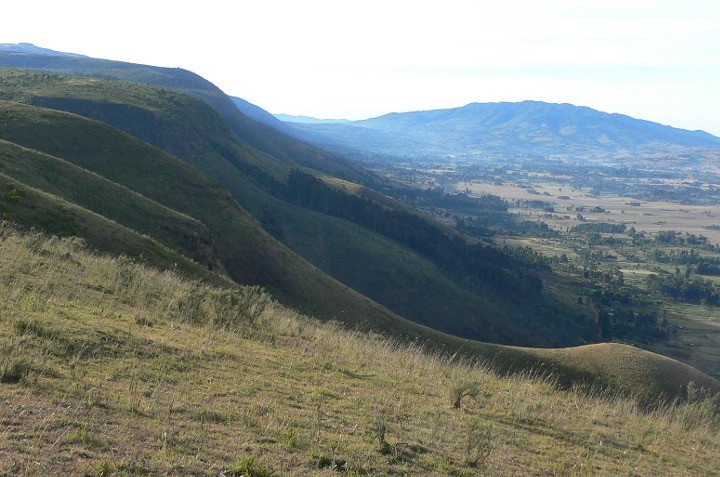
Aberdare Ranges of Central Kenya
Geography and Natural Beauty
The Aberdare Ranges extend for approximately 160 kilometers (100 miles) through the counties of Nyandarua, Nyeri, Murang’a, Kiambu, and Laikipia. The mountain range reaches elevations exceeding 4,000 meters (13,000 feet), with Ol Doinyo Lesatima standing as its highest peak at 4,001 meters (13,127 feet).
The landscape changes dramatically with altitude. Lower slopes are covered by dense indigenous forests and bamboo vegetation, while higher elevations feature open moorlands dotted with giant heather, lobelias, and groundsels that are unique to East Africa’s alpine environments. Numerous rivers like Ewaso Nyiro River originate from the Aberdares, supplying freshwater to millions of people and supporting Kenya’s agricultural and hydroelectric sectors.
Among the range’s most striking attractions are its spectacular waterfalls, including Karuru Falls, Kenya’s tallest waterfall, Gura Falls, and Chania Falls, all of which draw visitors seeking outstanding natural scenery and photography opportunities.
Tourism Importance of the Aberdare Ranges
Tourism is one of the most significant economic activities associated with the Aberdare Ranges. The region attracts a diverse range of visitors, including wildlife enthusiasts, hikers, photographers, birdwatchers, researchers, and adventure travelers.
Unlike Kenya’s open savannah parks, the Aberdares offer a unique mountain wilderness experience characterized by cool temperatures, mist-covered forests, dramatic landscapes, and abundant wildlife. The park is famous for its peaceful atmosphere and scenic beauty, making it an attractive destination for travelers seeking nature and relaxation.
Several world-class safari lodges located within and around Aberdare national park provide exceptional hospitality and wildlife viewing opportunities. Some lodges overlook floodlit waterholes where guests can observe elephants, buffaloes, bushbucks, giant forest hogs, spotted hyenas, and numerous other species throughout the day and night.
The mountain range also serves as an important destination for eco-tourism, promoting responsible travel that supports environmental conservation while generating income for local communities.
Popular Tourist Activities
The Aberdare Ranges offer a wide variety of recreational activities that appeal to visitors with different interests and levels of adventure.
Wildlife Viewing
Aberdare National Park is home to a remarkable diversity of wildlife, including African elephants, Cape buffaloes, black leopards, giant forest hogs, bushbucks, waterbucks, hyenas, servals, and the endangered mountain bongo antelope.
Game drives provide visitors with opportunities to observe these animals in their natural forest habitats, while the park’s tree lodges offer unique wildlife viewing experiences from elevated observation decks.
Hiking and Mountain Trekking
The Aberdare Ranges are one of Kenya’s premier hiking destinations. Visitors can explore well-maintained trails leading through bamboo forests, alpine moorlands, and scenic valleys before reaching peaks such as Ol Doinyo Lesatima and Kinangop.
Hiking provides spectacular panoramic views of the Great Rift Valley, Mount Kenya, and the surrounding highlands while allowing visitors to experience the mountain’s diverse ecosystems.
Waterfall Excursions
The region’s numerous waterfalls are among its most popular attractions. Guided walks to Karuru Falls, Gura Falls, and Chania Falls allow visitors to enjoy dramatic scenery, photograph cascading rivers, and appreciate the rich biodiversity surrounding these spectacular natural features.
Bird watching
With more than 290 recorded bird species, the Aberdare ecosystem is one of Kenya’s finest bird watching destinations. Bird enthusiasts regularly observe crowned eagles, Hartlaub’s turacos, sunbirds, African goshawks, augur buzzards, and numerous endemic forest species.
Nature Walks and Photography
Guided nature walks provide opportunities to discover indigenous forests, unique alpine plants, butterflies, and scenic viewpoints. The mountain’s misty landscapes, rivers, waterfalls, and wildlife create exceptional opportunities for landscape and wildlife photography throughout the year.
Camping and Outdoor Recreation
Designated camping sites allow visitors to experience the mountain wilderness while enjoying stargazing, campfires, and the peaceful atmosphere of Kenya’s central highlands.
Economic Benefits to Local Communities
Tourism in the Aberdare region generates significant economic benefits for the surrounding communities. Thousands of local residents depend directly or indirectly on tourism for their livelihoods.
Employment opportunities are created in national park management, hospitality, guiding services, transportation, conservation, catering, security, and accommodation. Hotels, lodges, guesthouses, restaurants, and tour operators employ local people in a wide variety of skilled and unskilled positions.
Local artisans also benefit by producing and selling handmade crafts, wood carvings, woven baskets, bead work, paintings, and souvenirs that showcase Kenya’s rich cultural heritage. These businesses help preserve traditional craftsmanship while generating household income.
Community-owned tourism enterprises, cultural centers, and village tours have further expanded economic opportunities by allowing visitors to experience authentic local traditions, cuisine, music, and daily life.
Agriculture and Water Resources
The Aberdare Ranges are often referred to as one of Kenya’s “water towers” because they supply water to numerous rivers that support agriculture across central Kenya.
Communities surrounding the mountain rely on these rivers for irrigation, livestock, domestic use, and hydroelectric power generation. The fertile volcanic soils and reliable rainfall support the cultivation of tea, coffee, maize, potatoes, vegetables, fruits, and dairy farming.
Tourism complements agriculture by creating diversified sources of income, reducing dependence on farming alone and increasing the resilience of rural economies.
Conservation Through Tourism
Tourism has become a powerful tool for environmental conservation in the Aberdare Ranges. Revenue generated through park entrance fees, accommodation, and tourism services helps fund wildlife protection, forest restoration, infrastructure maintenance, scientific research, and environmental education.
Local communities increasingly participate in conservation initiatives through community forest associations, eco-tourism projects, and sustainable land management programs. These partnerships encourage residents to protect forests and wildlife while benefiting economically from responsible tourism.
Conservation efforts are particularly important for protecting endangered species such as the mountain bongo, black rhino, and African elephant, all of which depend on the Aberdare ecosystem.
Cultural Tourism
The Aberdare region is home to several indigenous communities, including the Kikuyu people, Embu, and Maasai, whose histories are closely linked to the mountain landscape.
Visitors can participate in cultural tours that include traditional dances, storytelling, local cuisine, coffee farm visits, handicraft workshops, and village experiences. These interactions provide valuable cultural exchange while supporting community-based tourism enterprises.
The Aberdare forests also hold historical significance as one of the principal strongholds of the Mau Mau movement during Kenya’s struggle for independence. Historical sites and guided tours offer visitors insight into this important chapter of Kenya’s national history.
Sustainable Tourism Development
Sustainable tourism is essential for preserving the Aberdare Ranges for future generations. Responsible tourism practices encourage visitors to respect wildlife, minimize waste, remain on designated trails, and support locally owned businesses.
Government agencies, conservation organizations, tourism operators, and local communities continue working together to promote sustainable development through reforestation, watershed protection, wildlife conservation, and environmental education.
These initiatives help balance economic growth with environmental protection, ensuring that tourism continues to benefit both people and nature.
In Conclusion
The Aberdare Ranges are one of Kenya’s most valuable natural and tourism assets, offering visitors an extraordinary combination of mountain scenery, abundant wildlife, spectacular waterfalls, and rich cultural heritage. From hiking scenic peaks and exploring ancient forests to observing wildlife and experiencing authentic local traditions, the region provides unforgettable experiences for travelers seeking nature and adventure.
Equally important, tourism has become a vital source of income and employment for surrounding communities, supporting local businesses, improving infrastructure, promoting conservation, and enhancing livelihoods. By protecting the Aberdare ecosystem and encouraging responsible tourism, Kenya continues to preserve one of its most remarkable mountain landscapes while ensuring that future generations can enjoy its beauty and benefit from its natural resources.
The Aberdare Ranges stand as a shining example of how conservation, tourism, and community development can work together to create sustainable prosperity in one of East Africa’s most beautiful and ecologically significant regions.