Batian Peak
June 28, 2026The Kikuyu Ethnic Tribe
June 29, 2026The Cultural Heritage of the Embu, Kikuyu, and Meru Communities Around Mount Kenya
Mount Kenya is not only Kenya’s highest mountain and one of Africa’s most celebrated natural landmarks, but it is also the cultural heartland of three of the country’s most influential indigenous communities: the Embu, Kikuyu, and Meru peoples. For centuries, these communities have lived on the fertile slopes surrounding the mountain, developing rich traditions, sustainable farming practices, and deep spiritual connections to the landscape. Their history, customs, and relationship with Mount Kenya continue to shape the cultural identity of central Kenya and add a unique dimension to the visitor experience.
Today, cultural tourism has become an important complement to hiking and wildlife adventures in Mount Kenya National Park. Visitors have the opportunity to explore traditional villages, learn about local customs, experience authentic cuisine, and discover how these communities have coexisted with one of Africa’s most iconic mountains for generations.
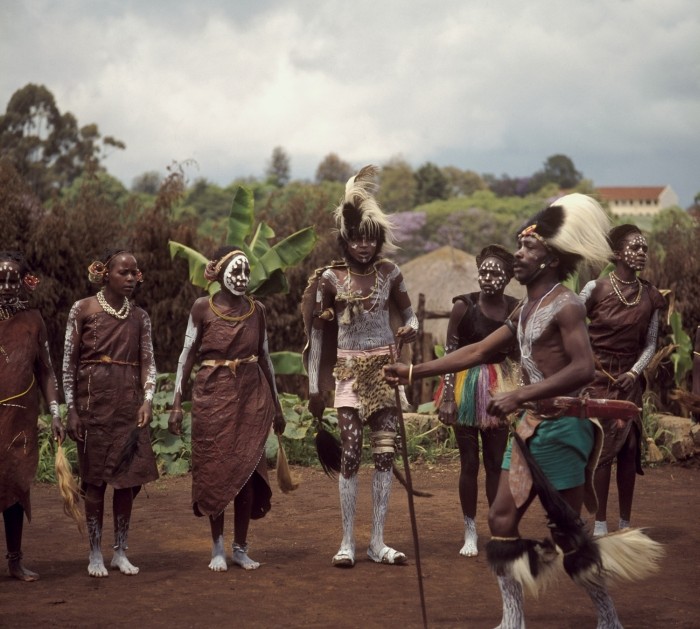
Kikuyu tribe cultural performance while displaying their cultural heritage
Mount Kenya: A Sacred Mountain
Known traditionally as Kirinyaga, meaning “Place of Brightness” or “Mountain of Whiteness,” Mount Kenya has long been regarded as a sacred place by the surrounding communities. Its snow-capped peaks, rivers, forests, and fertile volcanic soils have sustained local populations for centuries, providing water, food, medicinal plants, and spiritual inspiration.
For many indigenous communities, the mountain is considered the dwelling place of Ngai, the Supreme Being. Traditional prayers, ceremonies, and important cultural rituals were often performed facing the mountain, reflecting its central role in spiritual life. Even today, Mount Kenya remains a powerful symbol of identity, heritage, and cultural continuity.
The Kikuyu Community
The Kikuyu people are Kenya’s largest ethnic group and have one of the deepest historical connections to Mount Kenya. According to Kikuyu oral traditions, the first ancestors, Gikuyu and Mumbi, were created by Ngai and settled near the mountain, making it the spiritual birthplace of the Kikuyu people.
Historically, Kikuyu people communities established permanent settlements on the mountain’s southern slopes, where fertile volcanic soils and abundant rainfall supported productive farming. Agriculture remains central to Kikuyu life, with coffee, tea, bananas, maize, beans, potatoes, and vegetables cultivated throughout the region.
Traditional Kikuyu society emphasized strong family ties, communal cooperation, and respect for elders. Elders played an important role in resolving disputes, preserving oral traditions, and guiding community decision-making. Although modern lifestyles have transformed many aspects of Kikuyu society, cultural values such as hospitality, hard work, and community solidarity remain deeply rooted.
Visitors to Kikuyu villages can experience traditional dances, music, storytelling, handicrafts, and local cuisine while learning about the community’s rich history and enduring connection to Mount Kenya.
The Meru Community
Occupying the northeastern slopes of Mount Kenya, the Meru people are renowned for their vibrant cultural traditions and close relationship with the mountain’s forests and rivers. The Meru trace their ancestry through oral history that emphasizes migration, resilience, and adaptation to the fertile highlands surrounding Mount Kenya.
Agriculture is the foundation of Meru society. Farmers cultivate bananas, millet, maize, beans, yams, tea, coffee, and a variety of fruits using sustainable farming methods developed over generations. Livestock keeping also contributes significantly to local livelihoods.
Meru culture places strong emphasis on respect for elders, family unity, and communal responsibility. Traditional ceremonies, songs, dances, and storytelling continue to play an important role in preserving the community’s cultural identity.
Many visitors enjoy guided cultural experiences in Meru villages, where they can observe traditional farming techniques, visit local markets, sample regional dishes, and learn about indigenous medicinal plants used in traditional healthcare.
The Embu Community
The Embu people inhabit the southeastern slopes of Mount Kenya and share many historical and linguistic similarities with the neighboring Kikuyu and Meru communities. Like their neighbors, the Embu have long relied on Mount Kenya’s fertile soils and abundant water resources to sustain agriculture and community life.
Coffee and tea cultivation are particularly important economic activities, alongside the production of maize, beans, bananas, vegetables, and fruits. The Embu are also known for their skilled craftsmanship, particularly in basket weaving, wood carving, pottery, and traditional household tools.
Traditional Embu culture emphasizes family, cooperation, and respect for nature. Oral traditions, songs, proverbs, and folklore continue to be passed from one generation to the next, preserving the community’s historical knowledge and cultural identity.
Visitors to Embu communities can participate in cultural tours that showcase traditional homes, agricultural practices, music, dance, and local cuisine while gaining insight into everyday life on the mountain’s slopes.
Traditional Farming and Sustainable Living
One of the defining characteristics shared by the Embu, Kikuyu, and Meru communities is their sustainable approach to agriculture. For centuries, these communities have practiced mixed farming systems that combine food crops, fruit trees, livestock, and cash crops such as coffee and tea.
The fertile volcanic soils surrounding Mount Kenya, together with abundant rainfall and rivers originating from the mountain, create ideal conditions for agriculture. Traditional farming techniques emphasize soil conservation, water management, crop diversity, and responsible use of natural resources.
These sustainable practices not only support local livelihoods but also contribute to the long-term protection of the mountain’s ecosystems and water catchment areas.
Cultural Tourism Around Mount Kenya
Cultural tourism has become an increasingly important component of the Mount Kenya visitor experience. Many travelers choose to combine mountain trekking with guided visits to local communities, providing opportunities to experience authentic Kenyan traditions beyond the hiking trails.
Popular cultural activities include:
Touring traditional villages and homesteads.
Visiting coffee and tea farms.
Learning traditional cooking methods.
Watching cultural dance and music performances.
Exploring local craft workshops.
Visiting community markets.
Participating in storytelling sessions led by village elders.
These experiences promote meaningful cultural exchange while generating income that supports local families and community development projects.
The Importance of Mount Kenya to Local Communities
Beyond its cultural significance, Mount Kenya serves as a vital source of water and natural resources for millions of people. Rivers flowing from the mountain irrigate farms, supply drinking water, support hydroelectric power generation, and sustain wildlife habitats across central Kenya.
Recognizing the mountain’s importance, local communities actively participate in conservation initiatives alongside the Kenya Wildlife Service and environmental organizations. Community-led programs focus on forest restoration, watershed protection, sustainable farming, and environmental education to preserve the mountain’s ecological integrity for future generations.
This close relationship between people and nature has made the Embu, Kikuyu, and Meru communities important partners in the long-term conservation of Mount Kenya.
Conclusion
The Embu, Kikuyu, and Meru communities are an integral part of Mount Kenya’s identity, contributing a rich cultural heritage that complements the mountain’s extraordinary natural beauty. Their centuries-old traditions, sustainable farming practices, spiritual beliefs, and deep respect for the environment have helped shape the landscapes surrounding one of Africa’s most iconic mountains.
For visitors, exploring these communities offers a unique opportunity to experience Kenya beyond its famous wildlife and hiking trails. From traditional music and dance to coffee farms, local cuisine, and ancient customs, cultural encounters around Mount Kenya provide meaningful insight into the lives of the people who have long called this remarkable region home.
Combined with the spectacular scenery of Mount Kenya National Park, the living heritage of the Embu, Kikuyu, and Meru peoples creates a truly enriching travel experience—one that celebrates the enduring connection between culture, community, and nature in the heart of Kenya.