
Africa’s Greatest National Parks for 4×4 Self-Drive Safaris and Overland Tours
July 31, 2026
Kwita Izina Gorilla Naming Ceremony in Rwanda
September 10, 2026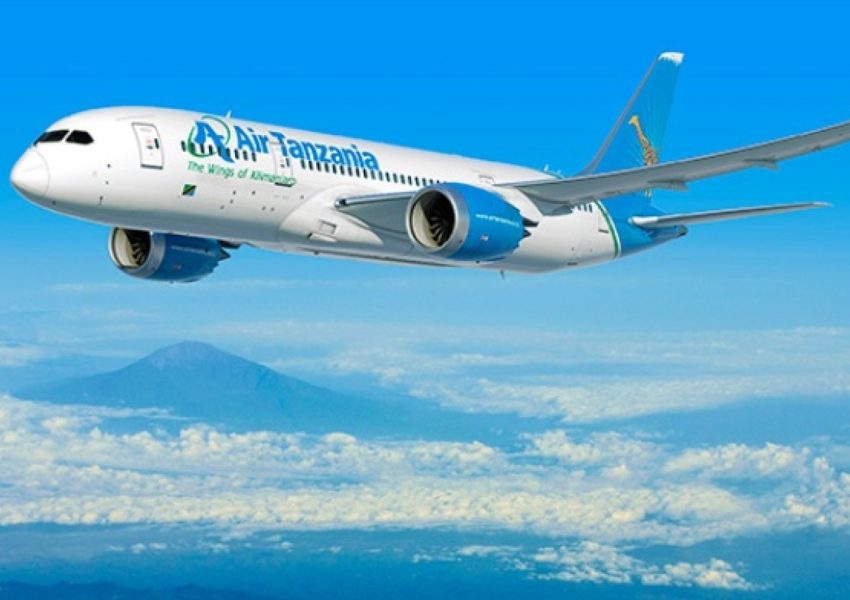
How Arusha’s Kilimanjaro International Airport Will Improve Tourism in East Africa, a region around the world famous for its wildlife, mountains, beaches, cultural heritage and unique landscapes. Countries such as Tanzania, Kenya, Uganda and Rwanda attract millions of visitors who come to experience destinations including the Serengeti national park, Mount Kilimanjaro, and Ngorongoro craters, Maasai communities, the Kenya’s Maasai Mara national reserve, Uganda and Rwanda’s mountain gorillas, and Masaai communities. One of the biggest factors affecting tourism growth is transport connectivity. Tourists need safe, convenient and reliable ways to move between international gateways, cities, national parks and tourism destinations. This is where the development of Arusha’s kilimanjaro International Airport in Tanzania can play an increasingly important role.
Arusha is already one of the most important tourism centres in East Africa. The city is a major starting point for safaris to the Serengeti National Park, Ngorongoro Conservation Area, Tarangire National Park and other attractions in northern Tanzania. Arusha is also closely connected to Mount Kilimanjaro national park and the wider northern Tanzania tourism circuit.
Recent improvements at Arusha’s Kilimanjaro International Airport are therefore significant. The airport has undergone infrastructure upgrades, including runway extension and apron expansion, while authorities have been working to increase passenger-handling capacity. In August 2026, the airport also began 24-hour operations following the installation and testing of modern runway lighting. These developments could strengthen Arusha’s position as a tourism gateway and contribute to the wider growth of East African tourism.
Better Access to Tanzania’s Northern Tourism Circuit
One of the most obvious benefits of improving Arusha Airport is that it can make it easier for tourists to reach some of Africa’s most famous attractions. Arusha is strategically positioned near several major tourism destinations. Visitors can use the city as a base before travelling to the Serengeti, Ngorongoro, Tarangire and other national parks.
Kilimanjaro International Airport already serves as a major international gateway to northern Tanzania and is officially described as a gateway to the region’s wildlife attractions. Arusha’ Kilimanjaro International Airport can complement this role rather than simply replace it. With better airport facilities, tourists arriving in the region can have more options for connecting to Arusha and nearby tourism destinations. This could reduce pressure on a single airport and provide tour operators with greater flexibility when designing safari itineraries.
For example, a tourist could fly into northern Tanzania, spend time in Arusha, visit nearby attractions and then continue by air to another destination. Better connectivity makes it easier to combine different experiences in one holiday.
Supporting Safari Tourism
Safari tourism is one of the strongest reasons international visitors travel to East Africa. The Serengeti, Ngorongoro and other northern Tanzania attractions are major components of the region’s tourism brand. The official Kilimanjaro International Airport website describes the airport as an important gateway for visitors travelling to northern Tanzania’s wildlife destinations.
Improving Arusha’s Kilimanjaro International Airport can strengthen this safari network. Better airport infrastructure means that more aircraft can potentially use the airport efficiently. Recent improvements have included extending the runway from approximately 1.64 kilometres to 1.84 kilometres and expanding the aircraft parking apron to about 15,000 square metres. Authorities have also discussed increasing passenger-handling capacity.
For tourism operators, better infrastructure can mean more opportunities to create efficient safari packages including self drive safaris as clients can land any time of the day, pick the self drve 4×4 vehicle and start their East Africa cross border self drive safaris . This is especially important for travellers who have limited time. Instead of spending many hours travelling by road between destinations, visitors may be able to use scheduled or chartered flights for parts of their journey.
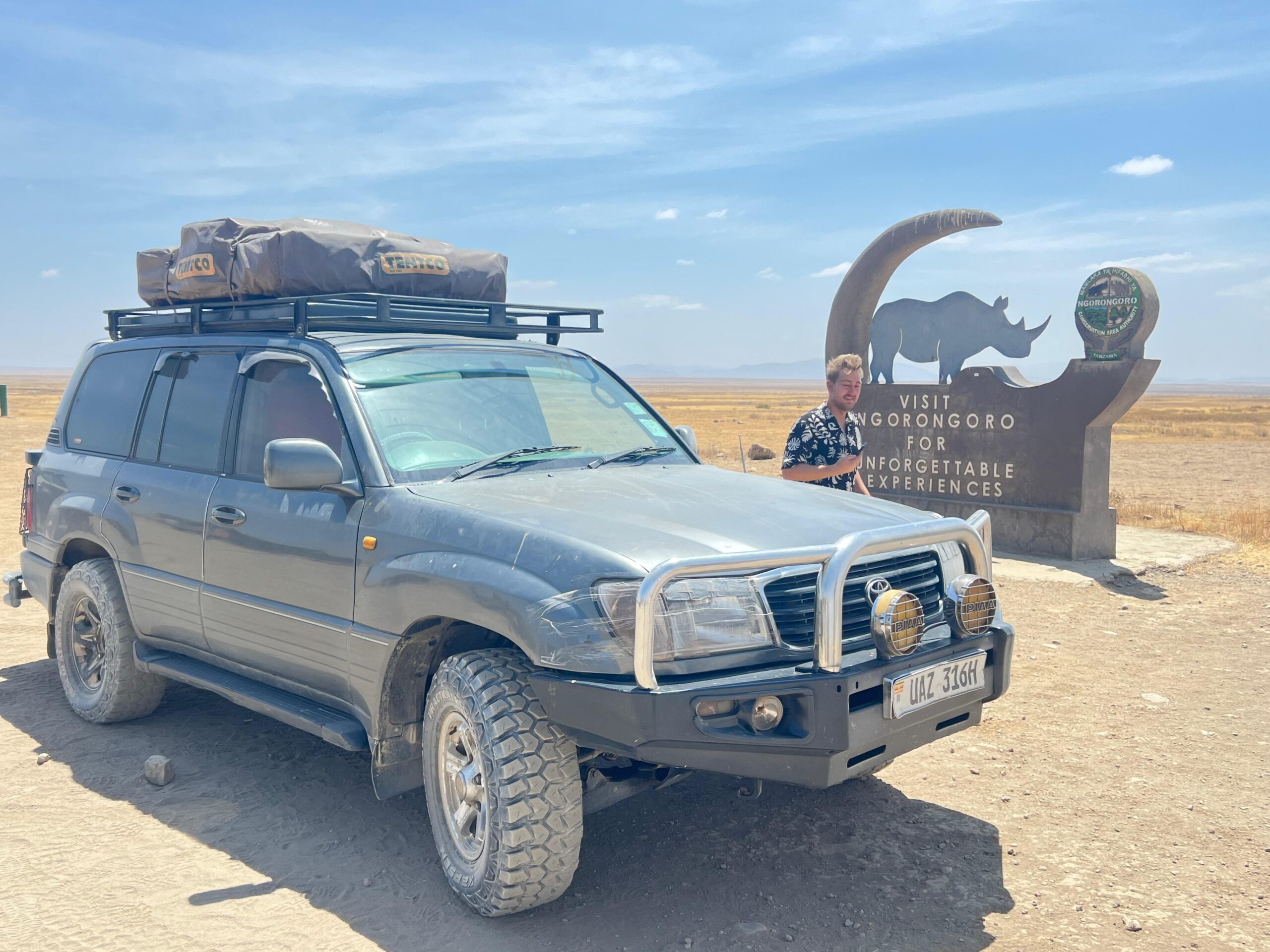
4×4 self drive car with a rooftop tent through Ngorongoro and Serengeti in Northern Tanzania
24-Hour Operations Can Increase Tourism Flexibility
One of the most significant recent developments is the introduction of 24-hour operations.Arusha Airport previously had restrictions on night operations because it lacked the necessary runway lighting. In August 2026, authorities announced that the airport was ready for round-the-clock operations after the installation and inspection of a modern runway lighting system.This can make a major difference to tourism.
Airlines and tour operators have greater flexibility when flights are not limited to daylight hours. A tourist arriving in Tanzania later in the evening may have more options for continuing their journey. Twenty-four-hour operations can also improve the airport’s ability to respond to delays and changing flight schedules.
For a tourism destination, flexibility matters. International travellers often connect through several airports before reaching their final destination. An airport that can operate for longer hours is better positioned to fit into international travel schedules.
Encouraging More International Visitors
Improved airport infrastructure can help make a destination more attractive to international airlines, tour operators and investors.Tourists generally consider several factors when choosing a destination. These include cost, safety, attractions, accommodation, visa requirements and transport convenience.
An airport with modern facilities and reliable operations can strengthen the overall tourism experience.The planned improvements at Arusha Airport have included better passenger facilities and infrastructure. Tanzania Airports Authority has also announced improvements to VIP lounges at Arusha Airport and other major airports to serve growing numbers of international tourists and business travellers.
As airport facilities improve, Arusha can strengthen its reputation as a professional tourism hub.This matters because tourism is highly competitive. East Africa competes with destinations across Africa and around the world. Better transportation infrastructure gives the region another advantage when attracting visitors.
Strengthening Arusha as an East African Tourism Hub
Arusha already has a special geographical position within East Africa. The city is internationally recognised as a base for northern Tanzania’s tourism circuit. It is also an important centre for regional organisations and international meetings.
Improved aviation infrastructure can strengthen this position.Instead of being viewed simply as a place where tourists begin their safari, Arusha can increasingly become a regional tourism hub where visitors plan multi-country East African experiences.
A tourist could potentially combine Tanzania’s wildlife destinations with attractions in Kenya, Uganda or Rwanda as part of a larger East African itinerary. This type of tourism can encourage longer stays. A visitor who spends ten or fourteen days travelling across several East African destinations contributes more to the regional tourism economy than someone who stays for only a few days.
Promoting Multi-Destination Tourism
East Africa has a major advantage: neighbouring countries offer complementary tourism experiences.Tanzania has the Serengeti, Ngorongoro, Mount Kilimanjaro and Zanzibar.Kenya has the Maasai Mara, Amboseli and coastal attractions.Uganda is famous for its forests, wildlife and mountain-gorilla experiences.Rwanda is known for its gorilla tourism, landscapes and conservation-based tourism. These can be reached using 4×4 self drive vehicles due to their strengeth and durability.
Improving aviation connectivity around Arusha could help tourism companies design packages that combine several countries.This could lead to the growth of multi-destination tourism in East Africa. Rather than marketing each country completely separately, tourism organisations could increasingly promote East Africa as a connected destination.
Supporting Business and Conference Tourism
Tourism is not limited to wildlife safaris. Arusha also has significant potential for business tourism, meetings, conferences and events. Better airport facilities can make it easier for international delegates and business travellers to reach the city. This can benefit hotels, restaurants, conference centres, transport companies and other service providers.
Business travellers also frequently extend their trips for leisure activities. A person visiting Arusha for a conference may decide to add a safari to the Serengeti National Park or visit Mount Kilimanjaro. This combination of business and leisure travel is sometimes called “bleisure” tourism and can generate additional economic activity.
Improving the Competitiveness of East African Tourism
Infrastructure is a major part of destination competitiveness. East Africa has exceptional natural attractions, but attractions alone are not enough. Visitors need convenient transport, accommodation, communication services and reliable infrastructure.
The East African Community has identified aviation and airports as important regional infrastructure priorities. Its infrastructure planning has included airport projects designed to improve connectivity across the region. Arusha Airport can therefore be viewed as part of a larger regional transport network. When airports improve, the entire tourism system can become more efficient.
Supporting Local and Community Tourism
Another important benefit is the possibility of increasing demand for community-based tourism. Tourists travelling through Arusha may purchase locally produced crafts, visit cultural attractions, eat locally prepared food or participate in community tourism experiences.
The economic benefits of tourism can therefore spread beyond large hotels and international companies. For this to work effectively, however, tourism development needs to involve local communities and ensure that tourism revenue creates meaningful local opportunities.Sustainable tourism should protect wildlife and cultural heritage while allowing communities to benefit economically.
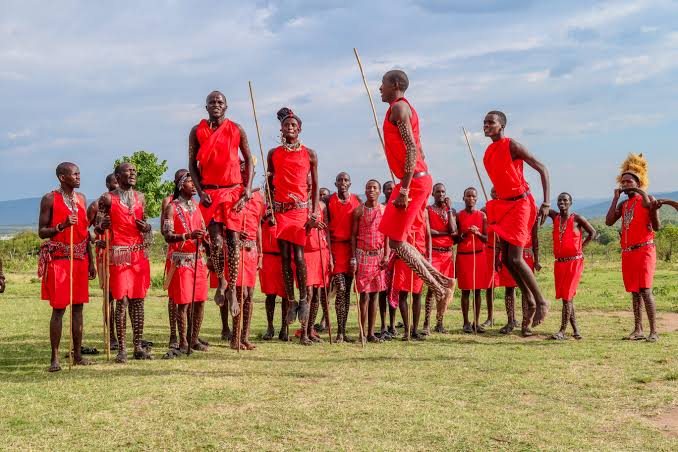
Maasai mara communities exhibiting their tarditional dances to visitors
Preparing for Future Tourism Growth
Airport improvements are not only about solving today’s transportation problems. They can also prepare the region for future growth. Authorities have indicated that the airport is being positioned for increased passenger traffic, including in connection with major regional events such as the 2027 Africa Cup of Nations, which Tanzania will co-host with Kenya and Uganda.
This demonstrates how aviation infrastructure can support both tourism and major international events.If Arusha can successfully handle increased passenger numbers, it will be better positioned to support future growth in tourism, business and regional travel.
The Importance of Sustainable Development
Although airport expansion can bring many benefits, tourism development should be sustainable. More tourists can create pressure on wildlife areas, water supplies, roads, waste-management systems and local communities.Therefore, airport development should be accompanied by responsible tourism planning.
Tourism businesses should encourage visitors to respect wildlife, local cultures and protected areas.Sustainable transport, energy efficiency, waste management and conservation should also be considered as tourism infrastructure expands.
The ultimate goal should not simply be to bring more tourists. The goal should be to attract tourists while protecting the natural and cultural resources that make East Africa attractive in the first place.