
Aberdare National Park
June 30, 2026The Masaai People
June 30, 2026Ngai and His Cultural Influence Among Major Ethnic Communities in Kenya
Introduction
Ngai is the Supreme Being or God recognized by several Kenyan communities, particularly those belonging to the Bantu and some Kalenjin groups. The concept of Ngai represents the creator of the universe, the provider of life, the protector of humanity, and the ultimate source of justice and blessings. Although different communities have unique names and beliefs about God, the idea of a supreme creator has played a central role in shaping Kenya’s cultural traditions, moral values, social organization, and spiritual practices.
Who is Ngai?
Among the Kikuyu, Ngai is regarded as the creator of the heavens, the earth, human beings, animals, and all living things. According to Kikuyu tradition, Ngai resides on Mount Kenya (Kirinyaga), which is considered a sacred mountain. People traditionally faced Mount Kenya while praying because it symbolized God’s dwelling place.
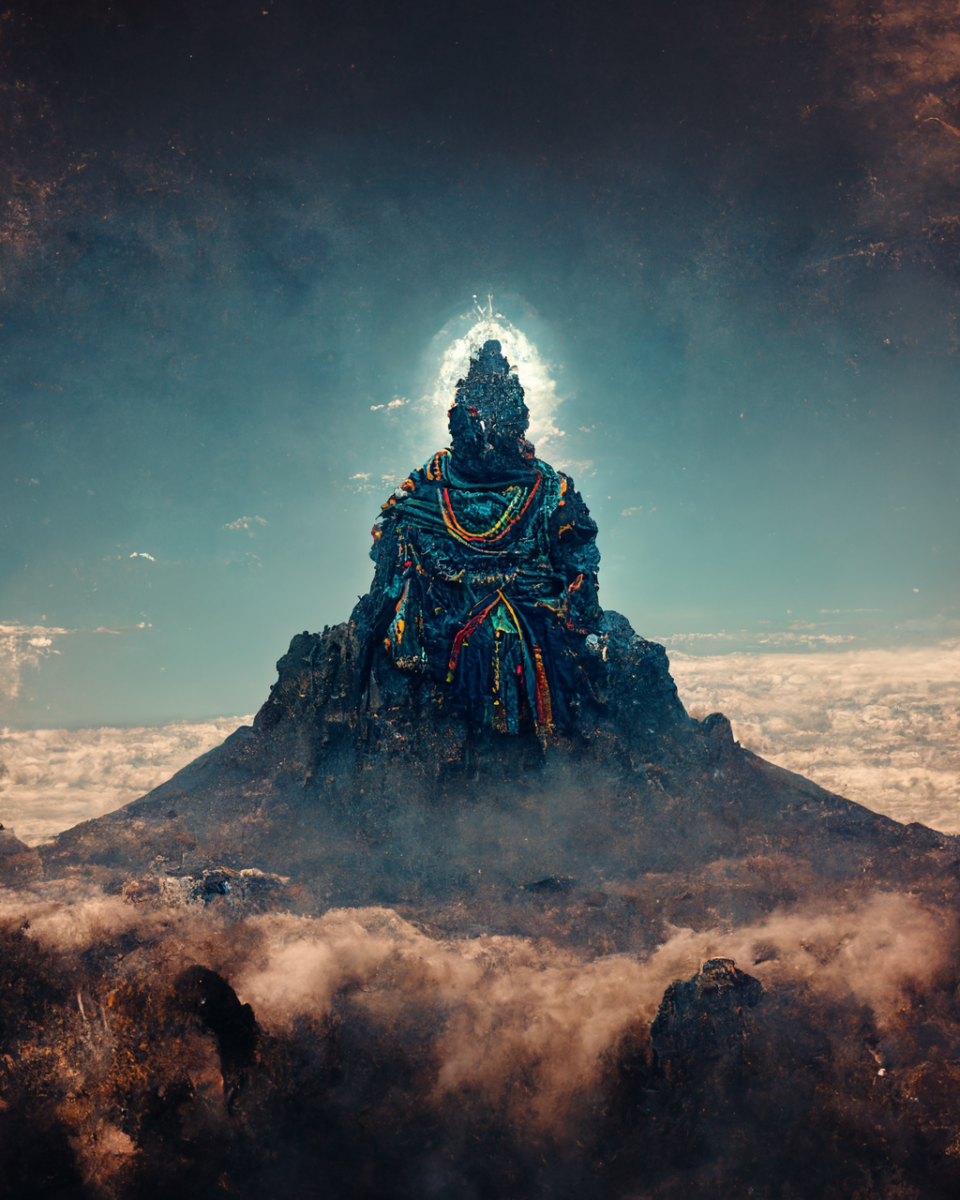
Ngai – The Supreme Being or God
Ngai is believed to be:
The creator of the universe.
The giver of rain, fertility, and prosperity.
The protector of families and communities.
The judge of human actions.
The source of wisdom, peace, and justice.
Although the name “Ngai” is most commonly associated with the Kikuyu, related concepts of a supreme creator exist among many other Kenyan communities under different names.
Cultural Influence of Ngai
-
Religious Practices
Belief in Ngai shaped traditional worship across many Kenyan communities. People offered prayers, sacrifices, and thanksgiving ceremonies to seek blessings, rain, healing, protection, and forgiveness.Elders often led prayers beneath sacred trees, on hills, or near mountains considered spiritually significant.
-
Moral Values
Belief in Ngai encouraged honesty, respect, kindness, generosity, courage, and responsibility. Communities believed that wrongdoing such as theft, murder, lying, or breaking social norms offended God and attracted punishment. These beliefs promoted peaceful coexistence and social order.
-
Leadership and Governance
Traditional leaders and elders were viewed as custodians of God’s laws. Important community decisions, conflict resolution, and ceremonies were often conducted with prayers seeking Ngai’s guidance. Leadership carried both political and spiritual responsibilities.
-
Environmental Conservation
Sacred forests, rivers, mountains, and large trees were protected because they were associated with God’s presence. This cultural respect contributed to environmental conservation long before modern conservation laws were established.
-
Family and Community Life
Marriage, childbirth, initiation ceremonies, harvest celebrations, and funerals were accompanied by prayers to Ngai. Families believed that God’s blessings ensured unity, fertility, health, and prosperity.
Ngai’s Influence Among Major Ethnic Communities in Kenya
The Kikuyu
The Kikuyu have the strongest association with Ngai. They believe Ngai created the first ancestors, Gikuyu and Mumbi, and settled them near Mount Kenya. Traditional prayers were directed toward the mountain, and many sacred ceremonies centered on seeking Ngai’s blessings.
The Embu
The Embu also believe in Ngai as the creator and protector. Like the Kikuyu, they traditionally regarded Mount Kenya as a sacred place and prayed while facing the mountain.
The Meru
Among the Meru, Ngai is recognized as the supreme creator who blesses people with rain, harvests, children, and protection. Religious ceremonies and sacrifices were performed to seek divine favor during important community events.
The Kamba
The Kamba refer to God as Mulungu or Ngai. They believe that God created the world and controls nature, including rainfall and fertility. Traditional healers and elders often invoked God’s blessings during ceremonies and conflict resolution.
The Maasai
The Maasai People worship a supreme deity known as Enkai (also spelled Engai). Enkai is believed to control rain, cattle, fertility, and life itself. Since cattle are central to Masaai culture, Enkai is regarded as the provider and protector of livestock and human well-being.
The Kalenjin
Many Kalenjin communities recognize a supreme creator commonly known as Asis, who is associated with the sun and the source of life. Traditional prayers, blessings, and sacrifices acknowledge God’s authority over nature and human existence.
The Luo
The Luo traditionally recognize a supreme creator called Nyasaye. Nyasaye is believed to have created the world, bless families, and protect communities. Ancestors also play an important role in Luo religious traditions.
The Luhya
The Luhya refer to God as Were. Were is considered the creator, provider, and protector. Traditional prayers and sacrifices sought blessings for rain, health, harvests, and community prosperity.
Influence on Modern Kenyan Society
Although Christianity and Islam are now the dominant religions in Kenya, traditional beliefs about God continue to influence many aspects of society. Respect for elders, communal responsibility, environmental stewardship, family unity, and moral values remain deeply rooted in traditional beliefs about the Supreme Being.
Many Kenyan communities continue to combine aspects of traditional spirituality with modern religious practices, preserving important cultural heritage while embracing contemporary faiths.
Conclusion
The belief in Ngai has profoundly shaped the religious, cultural, social, and moral foundations of many Kenyan communities. As the supreme creator and protector, Ngai inspired traditions that promoted justice, respect, environmental conservation, and community unity. Although different ethnic groups use different names for God, they share the belief in a supreme being who governs the universe and guides human life. This shared spiritual heritage remains an important part of Kenya’s rich cultural identity and continues to influence values and traditions across the country.