
The Aberdare Ranges of Central Kenya
June 30, 2026Ngai of Mount Kenya
June 30, 2026Explore Aberdare National Park: A Valuable Tourism Destination
Aberdare National Park, located in central Kenya, is one of the country’s most remarkable protected conservation areas. Covering approximately 767 square kilometers within the Aberdare Mountain Range, the park is characterized by dense forests, bamboo vegetation, open moorlands, spectacular waterfalls, and diverse wildlife. Established in 1950, it plays a significant role in Kenya’s tourism industry by attracting domestic and international visitors seeking nature-based experiences.
The park’s unique landscapes, cool climate, and rich biodiversity make it an essential destination for ecotourism, wildlife conservation, scientific research, and environmental education. Its proximity to major cities such as Nairobi also makes it easily accessible, contributing to its popularity among tourists including those on Kenya self drive Adventure safaris
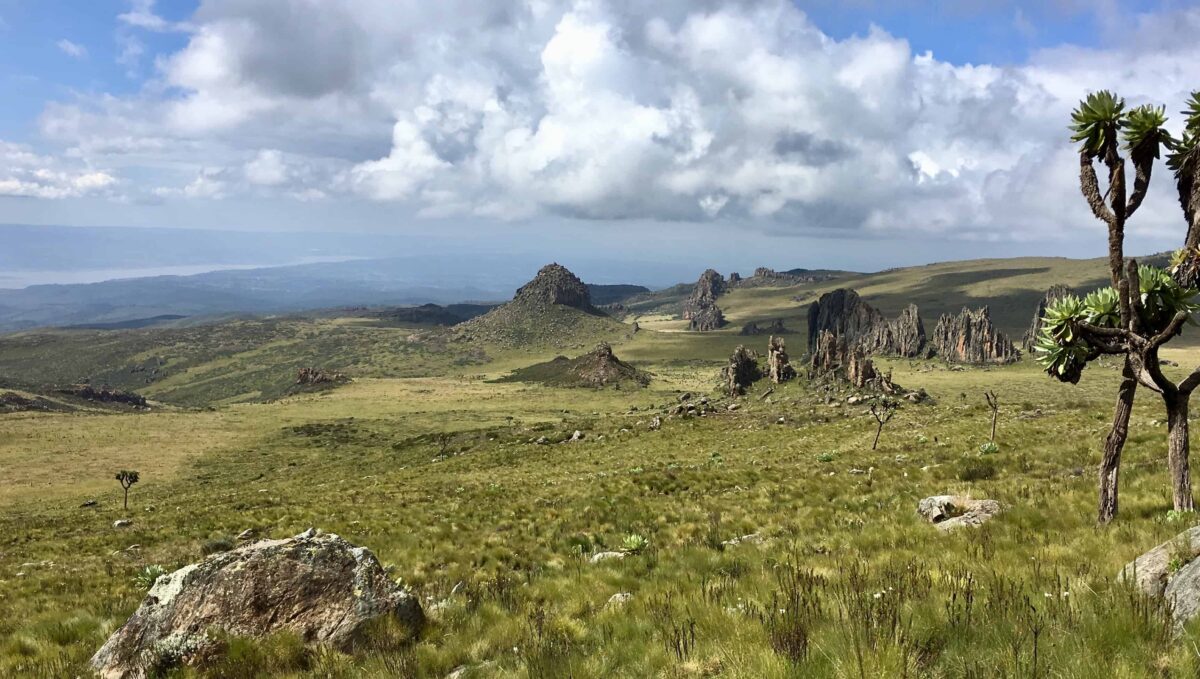
Beautiful Aberdare National Park
Tourism Importance of Aberdare National Park
-
Wildlife Conservation
Aberdare National Park serves as a sanctuary for numerous wildlife species, including African elephants, African buffaloes, leopards, spotted hyenas, giant forest hogs, bushbucks, black rhinos, and the endangered bongo antelope. The park also supports over 250 bird species, making it an important destination for bird watching enthusiasts.
Tourism revenue generated from park entrance fees and related services supports wildlife conservation, anti-poaching operations, habitat restoration, and biodiversity monitoring.
-
Economic Contribution
Tourism in Aberdare National Park contributes significantly to Kenya’s economy by generating foreign exchange earnings and government revenue. Visitors spend money on accommodation, transportation, food, guided tours, souvenirs, and park fees, supporting various sectors of the economy.
The tourism industry associated with the park stimulates investment in hospitality facilities such as lodges, hotels, campsites, restaurants, and transport services.
-
Promotion of Ecotourism
Aberdare National Park is an excellent example of sustainable tourism. Ecotourism encourages responsible travel that conserves natural resources while benefiting local communities. Visitors are encouraged to appreciate wildlife and natural ecosystems without causing environmental degradation.
This approach helps preserve the park for future generations while promoting environmental responsibility among tourists.
-
Environmental Education and Research
The park provides opportunities for environmental education through guided nature walks, educational tours, and conservation programs. Schools, universities, researchers, and conservation organizations use the park as a living laboratory to study ecology, climate change, forest ecosystems, and wildlife behavior.
Research findings contribute to improved conservation strategies and sustainable natural resource management.
-
Preservation of Natural Heritage
Aberdare National Park protects one of Kenya’s most important montane forest ecosystems, which serves as a critical water catchment area for major rivers supplying water to households, agriculture, industries, and hydroelectric power generation.
By preserving forests and biodiversity, tourism indirectly supports environmental sustainability and climate resilience.
Tourism Activities in Aberdare National Park
Visitors engage in a variety of tourism activities that showcase the park’s natural beauty and biodiversity.
Wildlife Viewing
Game drives provide opportunities to observe elephants, buffaloes, leopards, warthogs, giant forest hogs, monkeys, and many other wildlife species in their natural habitats.
Bird Watching
The park is a paradise for bird lovers due to its rich diversity of resident and migratory bird species. Birdwatchers enjoy spotting rare and endemic birds throughout the forest and moorland habitats.
Nature Walks and Hiking
Guided hiking trails allow visitors to explore the park’s forests, waterfalls, rivers, and mountain landscapes while learning about local flora and fauna.
Mountain Climbing
The Aberdare Range offers adventurous hiking and mountain climbing experiences with breathtaking panoramic views and unique alpine vegetation.
Waterfall Viewing
The park is famous for spectacular waterfalls such as Karuru Falls, Chania Falls, and Gura Falls, which attract photographers, nature lovers, and adventure tourists.
Photography
Aberdare’s dramatic scenery, abundant wildlife, forests, waterfalls, and mist-covered mountains provide exceptional opportunities for wildlife and landscape photography.
Camping
Visitors especially arriving in 4×4 vehicles with Rooftop tents can enjoy camping in designated sites, experiencing the tranquility of nature while observing nocturnal wildlife and enjoying outdoor recreation.
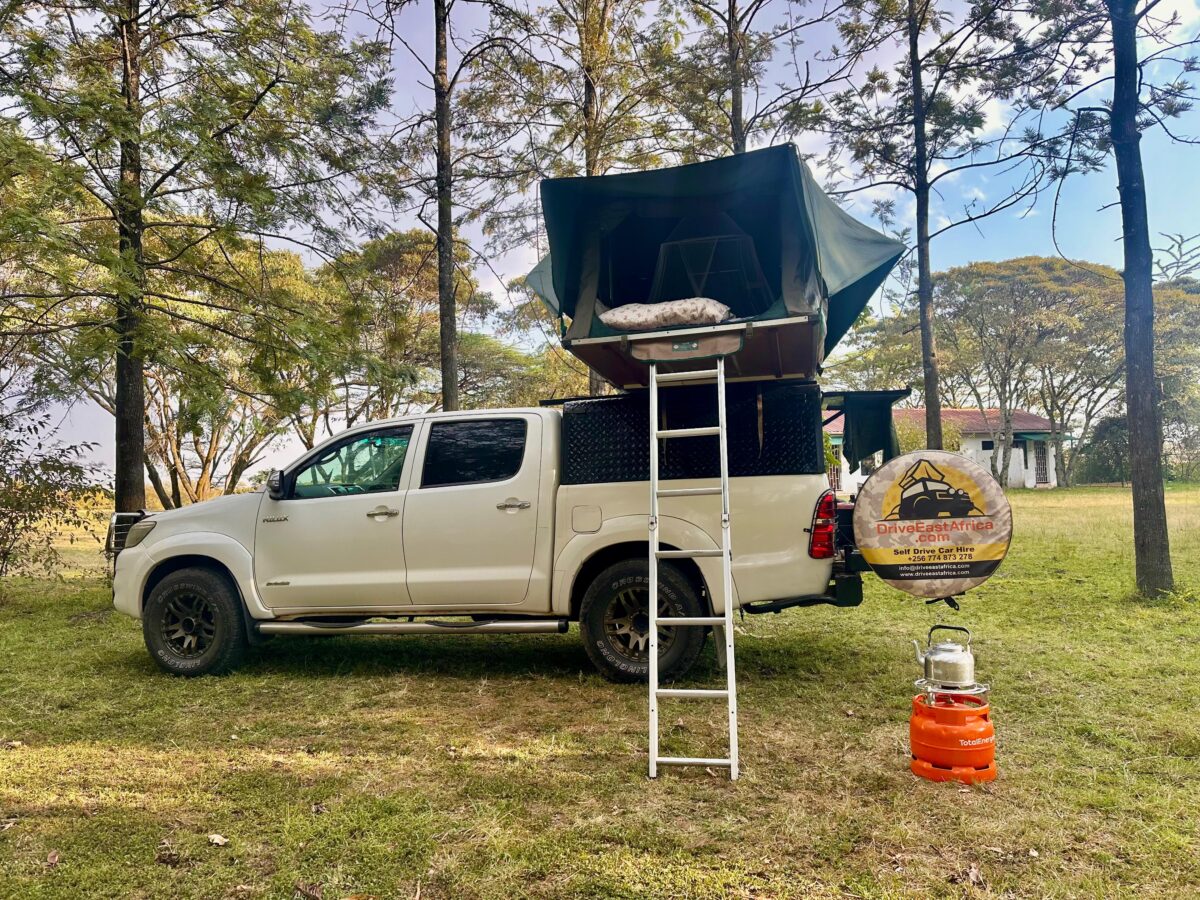
4×4 Camping with a rooftop tent East Africa
Cultural Tourism
Tourists may visit nearby communities to learn about local traditions, agricultural practices, traditional foods, crafts, music, and cultural heritage, enriching their travel experience.
Benefits of Tourism to Surrounding Communities
Employment Opportunities
Tourism creates direct and indirect employment for local residents as park rangers, tour guides, hotel staff, drivers, artisans, security personnel, and conservation workers. These jobs improve household incomes and living standards.
Business Development
Local entrepreneurs benefit by supplying agricultural products, handicrafts, accommodation, transport services, restaurants, and tour operations. Tourism stimulates the growth of small and medium-sized enterprises.
Infrastructure Development
Revenue generated through tourism encourages improvements in roads, electricity, communication networks, health facilities, schools, and water supply systems, benefiting both tourists and local communities.
Community-Based Conservation
Local communities increasingly participate in conservation initiatives, recognizing that protecting wildlife and forests supports sustainable tourism and long-term economic opportunities. This strengthens cooperation between conservation authorities and residents.
Increased Household Income
Tourism diversifies income sources beyond farming and livestock keeping. Families earn additional income through guiding services, cultural performances, handicraft sales, and hospitality businesses.
Education and Skills Development
Tourism promotes education by creating opportunities for training in hospitality, wildlife management, tour guiding, entrepreneurship, customer service, and environmental conservation. Young people gain valuable skills that enhance their employment prospects.
Cultural Preservation
The demand for authentic cultural experiences encourages communities to preserve traditional dances, music, languages, crafts, and cultural ceremonies. Tourism provides incentives to protect cultural heritage while sharing it with visitors.
Environmental Awareness
Community members become more aware of the importance of conserving forests, wildlife, and water resources because healthy ecosystems support tourism and sustainable livelihoods.
Challenges Affecting Tourism
Despite its importance, Aberdare National Park faces several challenges, including illegal logging, poaching, human-wildlife conflict, climate change, inadequate infrastructure in some areas, and fluctuations in international tourist arrivals. Addressing these challenges requires collaboration among government agencies, conservation organizations, local communities, and the private sector.
Conclusion
Aberdare National Park is one of Kenya’s most valuable tourism and conservation destinations. Its rich biodiversity, scenic landscapes, and diverse recreational activities attract visitors from around the world while supporting wildlife conservation and environmental sustainability. Tourism generates employment, stimulates local businesses, improves infrastructure, promotes cultural preservation, and enhances community livelihoods. Continued investment in sustainable tourism practices, conservation efforts, and community participation will ensure that Aberdare National Park remains a vital asset for Kenya’s economy, biodiversity, and future generations.