
The Masaai People
June 30, 2026Samburu’s Special Five
June 30, 2026History, Geography, Wildlife and Tourism Importance
Samburu National Reserve is one of Kenya’s most spectacular wildlife conservation areas and a premier safari destination in East Africa. Located in Samburu County in northern Kenya, the reserve is renowned for its rugged landscapes, rich biodiversity, unique wildlife species, and vibrant Samburu culture. Unlike many other Kenyan parks, Samburu lies in a semi-arid ecosystem, providing visitors with a distinctive safari experience. The reserve plays a vital role in wildlife conservation, tourism development, and the socio-economic well-being of surrounding communities.
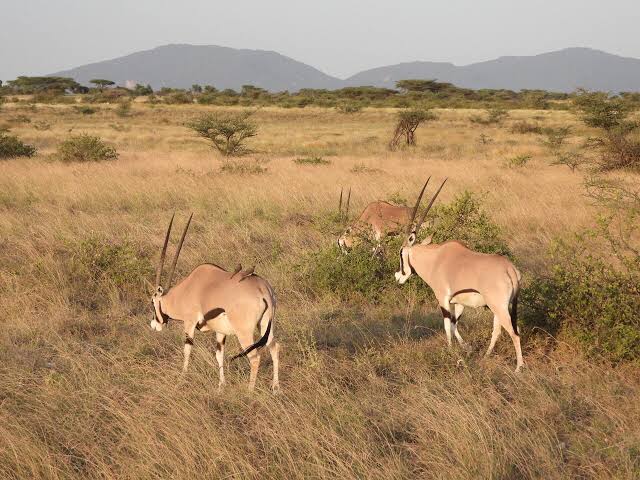
Oryx among the Samburu’s uniqueness
History of Samburu National Reserve
Samburu National Reserve was established in 1962 to protect the wildlife and natural habitats of northern Kenya. It covers approximately 165 square kilometres (64 square miles) on the banks of the Ewaso Ng’iro River, the region’s primary source of water.
The reserve was named after the Samburu people, a Nilotic pastoralist community closely related to the Masaai People. For generations, the Samburu have coexisted with wildlife while relying on livestock keeping as their main source of livelihood.
Since its establishment, Samburu National Reserve has become one of Kenya’s leading wildlife destinations, attracting visitors from around the world. It is managed by the Samburu County Government in collaboration with the Kenya Wildlife Service (KWS) and conservation organizations that work to protect endangered species and promote sustainable tourism.
Geography of Samburu National Reserve
Samburu National Reserve is located about 350 kilometres north of Nairobi, Kenya’s capital city. It lies within the hot and dry northern frontier region and is characterized by a semi-arid climate.
The reserve is bordered by the Ewaso Ng’iro River, which provides water throughout the year and supports a wide variety of wildlife and vegetation. The landscape consists of:
Open savannah grasslands, Acacia woodlands, Riverine forests, Rocky hills and escarpments, Dry shrublands. Temperatures are generally high throughout the year, with occasional rainfall during the wet seasons. Despite its dry environment, the river sustains abundant wildlife and lush vegetation along its banks.
Wildlife of Samburu National Reserve
Samburu National Reserve is famous for its exceptional biodiversity, including both common African wildlife and rare species found mainly in northern Kenya.
The Samburu Special Five
The reserve is particularly known for the “Samburu Special Five,” animals that are rarely seen in southern Kenya, these include;
Grevy’s zebra, Reticulated giraffe, Somali ostrich, Beisa oryx and Gerenuk (the long-necked antelope that feeds while standing on its hind legs).
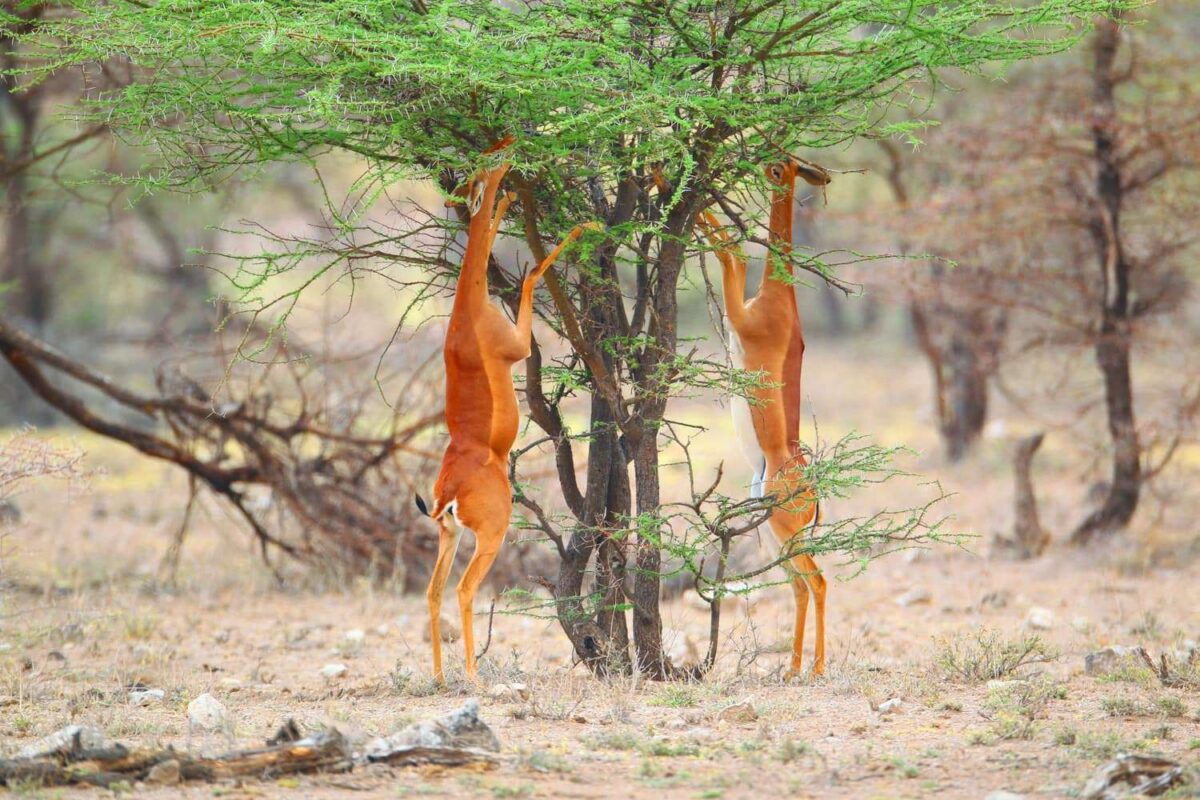
Gerenuk Antelope, one of Samburu’s Special five
Other Mammals
The reserve is home to numerous wildlife species, including:
African elephants, African lions, Leopards, Cheetahs, African buffaloes, Spotted hyenas, Olive baboons, Vervet monkeys, Warthogs, Grant’s gazelles, Impalas, Waterbucks, Birdlife. Samburu National Reserve is a paradise for birdwatchers, with over 450 recorded bird species. Common birds include:
African fish eagle, Secretary bird, Vultures, Kingfishers, Hornbills, Bee-eaters, Herons, Egrets, Marabou storks. The Ewaso Ng’iro River attracts many resident and migratory bird species throughout the year.
Tourist Activities in Samburu National Reserve
-
Game Drives
Game drives are the most popular activity in the reserve. Morning, afternoon, and evening safaris provide opportunities to observe wildlife in their natural habitats, including predators and the unique Samburu Special Five.
-
Bird Watching
With hundreds of bird species, Samburu is an excellent destination for bird watching. Both amateur and experienced bird enthusiasts visit the reserve to observe resident and migratory birds.
-
Wildlife Photography
The reserve’s dramatic landscapes, unique wildlife, and spectacular sunsets make it one of Kenya’s finest destinations for wildlife and nature photography.
-
Cultural Tours
Visitors can tour nearby Samburu villages to learn about the community’s traditional lifestyle, customs, ceremonies, livestock keeping, music, dance, bead work, and handicrafts. These experiences promote cultural exchange and provide income for local communities.
-
Nature Walks
Guided nature walks outside designated wildlife zones allow visitors to explore the local environment while learning about indigenous plants, birds, insects, and traditional medicinal herbs.
-
River Viewing
The Ewaso Ng’iro River offers excellent opportunities to observe elephants, crocodiles, hippos, and numerous bird species that gather along its banks.
-
Camping
The reserve provides designated camping sites and camping grounds especially for visitor who arrive with 4×4 vehicles with rooftop tents, here such visitors can experience the beauty of the African wilderness under the guidance of trained park personnel.
Tourism Importance of Samburu National Reserve
Wildlife Conservation
The reserve protects endangered and rare species, particularly the Samburu Special Five, while supporting anti-poaching efforts, habitat conservation, and scientific research.
Economic Growth
Tourism generates substantial revenue through park entrance fees, accommodation, transport, guided tours, and hospitality services. This income contributes to Kenya’s national economy and supports conservation efforts.
Employment Opportunities
The tourism industry provides employment for local residents as tour guides, wildlife rangers, drivers, hotel employees, cultural performers, artisans, and conservation officers.
Community Development
Tourism supports community projects such as schools, health centres, water supply systems, and road improvements. Revenue-sharing programs and community conservancies also help improve local livelihoods.
Cultural Preservation
Tourism encourages the Samburu people to preserve and promote their traditional customs, language, music, dance, clothing, and handicrafts, ensuring that their cultural heritage is passed on to future generations.
Environmental Conservation
Revenue generated from tourism helps finance conservation programs, habitat restoration, environmental education, and sustainable natural resource management.
Scientific Research and Education
Researchers and students use the reserve to study wildlife ecology, biodiversity, conservation biology, climate adaptation, and ecosystem management. These studies contribute to improved conservation policies and sustainable tourism practices.
Challenges Facing Samburu National Reserve
Despite its success, the reserve faces several challenges, including:
Climate change and prolonged droughts.
Human–wildlife conflict.
Illegal poaching.
Habitat degradation.
Pressure from expanding human settlements.
Competition for water and grazing resources.
Addressing these challenges requires cooperation among government agencies, conservation organizations, local communities, and tourism stakeholders.
Conclusion
Samburu National Reserve is one of Kenya’s most unique and important wildlife destinations. Its remarkable landscapes, diverse wildlife, including the famous Samburu Special Five, rich birdlife, and vibrant Samburu culture make it an outstanding destination for nature lovers and adventure tourists. Beyond providing unforgettable safari experiences, the reserve contributes significantly to wildlife conservation, economic development, employment creation, community empowerment, and environmental sustainability. Continued investment in conservation, responsible tourism, and community participation will ensure that Samburu National Reserve remains one of Africa’s premier tourism destinations for generations to come.