
Samburu’s Special Five
June 30, 2026Great Wildebeest Migration Safaris:
July 2, 2026Ultimate 4×4 Self-Drive Destination in Africa
The Masaai Mara National Reserve is Kenya’s most famous wildlife conservation area and one of the world’s premier safari destinations. Located in Narok County in southwestern Kenya, the reserve is internationally recognized for its spectacular wildlife, breathtaking landscapes, rich Masaai culture, and the annual Great Wildebeest Migration. Covering approximately 1,510 square kilometres (583 square miles), the reserve forms the northern extension of Tanzania’s Serengeti National Park, creating one of Africa’s largest and most important wildlife ecosystems.
Every year, hundreds of thousands of visitors travel to the Masaai Mara to experience its extraordinary biodiversity, observe the iconic Big Five, witness dramatic predator-prey interactions, and enjoy authentic cultural experiences with the Masaai people. The reserve contributes significantly to Kenya’s tourism industry, wildlife conservation, scientific research, and local community development.
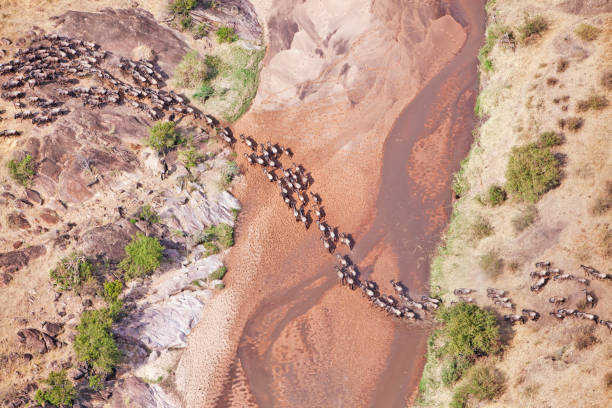
Wildebeest migration. Up to 1.5 million wildebeest move through Masai Mara National Reserve. Kenya
History of Masaai Mara National Reserve
The Masaai Mara derives its name from the Masaai people, who have inhabited the region for centuries. The word “Mara” means “spotted” in the Mara language, describing the landscape’s scattered acacia trees, shrubs, rocky outcrops, and wildlife that appear as spots across the rolling grasslands.
The reserve was first established in 1961 as a wildlife sanctuary covering approximately 520 square kilometers. Due to the growing importance of wildlife conservation and tourism, it was expanded in 1974 and later designated as the Masaai Mara National Reserve, covering approximately 1,510 square kilometers.
The reserve is managed by the Narok County Government in partnership with neighboring community conservancies, conservation organizations, and tourism stakeholders. Community conservancies surrounding the reserve have become an important model for balancing wildlife conservation with sustainable livelihoods for local Masaai communities.
Today, Masaai Mara is recognized as one of Africa’s greatest wildlife conservation success stories and remains one of the continent’s leading safari destinations.
Geography and Climate
Masaai Mara National Reserve lies approximately 270 kilometers west of Nairobi along Kenya’s border with Tanzania. It occupies part of the vast Serengeti-Mara ecosystem, which supports one of the largest concentrations of wildlife on Earth.
The landscape is dominated by Rolling grasslands, Open Savannah plains, Acacia woodlands, Riverine forests, Seasonal wetlands and Rocky hills and escarpments.
The reserve enjoys a moderate tropical climate with two rainy seasons:
Long rains: March to May
Short rains: October to December
Average daytime temperatures range between 20°C and 30°C, making the reserve suitable for wildlife viewing throughout the year.
Rivers of Masaai Mara National Reserve
Rivers are among the reserve’s most important natural features, sustaining wildlife throughout the year and creating rich ecosystems.
Mara River
The Mara River is the most famous river in the reserve. Originating from the Mau Escarpment, it flows through the Masaai Mara before entering Tanzania’s Serengeti National Park and eventually draining into Lake Victoria.
The river is internationally famous for the annual Great Migration, during which millions of wildebeest, zebras, and gazelles cross its crocodile-infested waters while predators wait nearby. This dramatic spectacle has become one of the world’s greatest wildlife events.
The Mara River also supports Hippopotamuses, Nile crocodiles, African elephants, Buffaloes, Numerous bird species, Aquatic vegetation
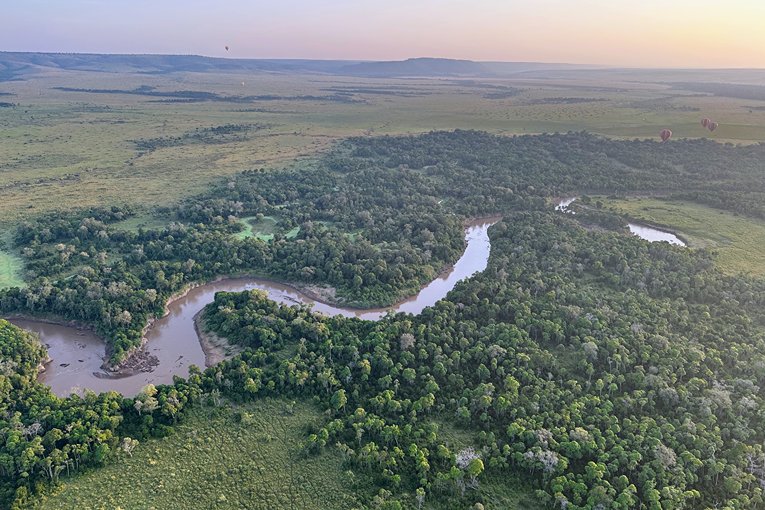
Masaai Mara River
Talek River
The Talek River is another important permanent river flowing through the reserve. It attracts wildlife throughout the year, especially during the dry season when animals gather to drink.
Visitors frequently observe lions, leopards, elephants, and antelopes along its banks.
Sand River
Located near the Kenya-Tanzania border, the Sand River is an important crossing point during the annual Great wildebeest Migration. It also provides habitat for many bird species and supports surrounding vegetation.
The Big Five of Masaai Mara
One of the reserve’s greatest attractions is the opportunity to see the famous Big Five, originally named by hunters because they were considered the most difficult and dangerous animals to hunt on foot. Today, they are prized by wildlife enthusiasts and photographers.
African Lion
The Masaai Mara has one of Africa’s largest lion populations. Visitors regularly witness prides hunting zebras, wildebeest, buffaloes, and other herbivores across the open plains.
African Elephant
Large elephant herds roam the reserve, feeding on grasses, shrubs, and trees. They play an essential ecological role by dispersing seeds and creating habitats for other species.
African Leopard
Leopards are commonly found resting in acacia trees or hunting silently along riverbanks and dense vegetation. Although elusive, Masaai Mara offers some of Africa’s best opportunities to observe these magnificent cats.
African Buffalo
Buffaloes are abundant throughout the reserve. They form large herds and are known for their strength and unpredictable behavior.
Black Rhinoceros
Although critically endangered, black rhinos inhabit protected areas within the reserve. Conservation programs continue to strengthen their population through anti-poaching efforts and habitat management.
Other Mammals in Masaai Mara National Reserve
In addition to the Big Five, Masaai Mara supports over 95 mammal species, including:
Cheetahs, Hyenas, Jackals, Wildebeest, Plains zebras, Thomson’s gazelles, Grant’s gazelles, Elands, Impalas, Topis, Warthogs, Hippos, Crocodiles among others.
The reserve is also home to more than 570 bird species, making it a paradise for birdwatchers.
The Great wildebeests and Zebra Migrations
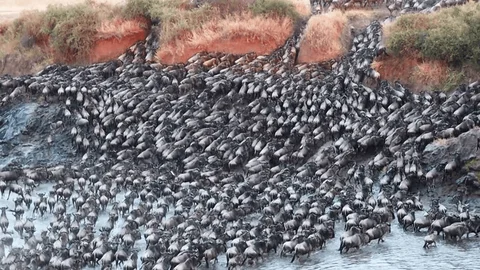
Masaai Mara wildebeest River Crossing
The Great Migration is the most famous wildlife event associated with the Masaai Mara National Reserve and is widely regarded as one of the Seven Natural Wonders of Africa. Every year, between July and October, more than 1.5 million wildebeest, accompanied by hundreds of thousands of zebras and Thomson’s gazelles, migrate from Tanzania’s Serengeti National Park into the Masaai Mara in search of fresh grazing and water.
One of the most dramatic moments of the migration is the crossing of the Mara River, where animals face powerful currents, steep riverbanks, and predators such as Nile crocodiles, lions, leopards, and hyenas. Thousands of tourists from around the world visit the reserve during this period to witness this extraordinary natural spectacle.
The Great Migration is not only an unforgettable tourism attraction but also plays a crucial role in maintaining the ecological balance of the Serengeti-Mara ecosystem by supporting predator populations and nutrient cycling.
Major Tourist Attractions in Masaai Mara National Reserve
The Big Five
The opportunity to see the African lion, African elephant, African leopard, African buffalo, and black rhinoceros in their natural habitat makes Masaai Mara one of the world’s premier safari destinations.The
Great Migration
The annual migration of wildebeest, zebras, and gazelles attracts photographers, filmmakers, wildlife researchers, and adventure travelers from across the globe.
Mara River
The Mara River is one of the reserve’s most iconic attractions. Visitors can observe hippopotamuses, crocodiles, elephants, and numerous bird species while enjoying breathtaking views of the riverine landscape.
Scenic Savannah Landscapes
The reserve’s vast golden grasslands, scattered acacia trees, rolling hills, and spectacular sunsets provide stunning scenery for sightseeing and photography.
Rich Bird life
With more than 570 bird species, the Masaai Mara is a paradise for birdwatchers. Common species include secretary birds, African fish eagles, vultures, ostriches, hornbills, kingfishers, lilac-breasted rollers, and many migratory birds.
Masaai Cultural Villages
Tourists can visit traditional Masaai manyattas (villages) to experience the community’s unique culture, traditional homes, music, dances, bead work, and pastoral way of life. These visits promote cultural exchange while generating income for local communities.
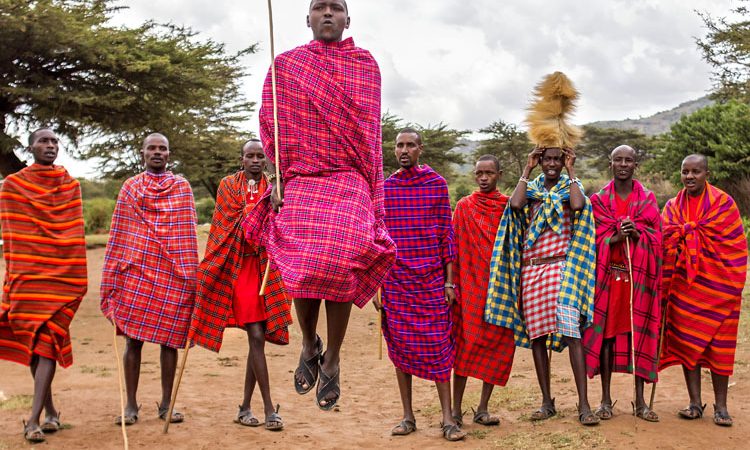
Masaai People of Masaai Mara Region – The Higher the Better
Hot Air Balloon Safaris
One of the most memorable experiences in the Masaai Mara is a sunrise hot air balloon safari. Visitors enjoy panoramic aerial views of the wildlife, rivers, and endless Savannah before landing for a bush breakfast.
Tourist Activities in Masaai Mara National Reserve
The reserve offers a wide variety of activities suitable for different interests.
Game Drives
Morning, afternoon, and full-day game drives provide excellent opportunities to observe wildlife, including predators and herbivores, in their natural habitats.
Wildlife Photography
Professional and amateur photographers visit the reserve to capture images of wildlife, dramatic landscapes, river crossings, and spectacular African sunsets.
Bird Watching
The diversity of bird species makes the reserve an ideal destination for bird enthusiasts throughout the year. Bird watching safaris are mainly enjoyed more during rain seasons and they offer encounters of colorful bird species including African fish Eagle, many heron bird species, Vultures, Weaver birds among many.
Hot Air Balloon Safaris
These safaris provide a unique perspective of the reserve, especially during the Great Migration, and are among the most sought-after tourist experiences.
Nature Walks
Thrilling guided walking safaris in designated areas allow visitors to learn about local plants, insects, birds, animal tracks, and ecosystems while appreciating the natural environment.
Cultural Tours
Visitors interact with the Masaai people through guided village tours, traditional dance performances, storytelling, craft demonstrations, and educational experiences about Masaai customs and traditions. tailor made tours in are easily arranged to include masaai community visits
Camping in and Around Mara
Luxury tented camps and public campsites allow visitors to experience the African wilderness while enjoying modern comforts or adventurous outdoor experiences. 4×4 rooftop tent camping in Africa is one of the trending wildlife adventure in this famous park, it allows tourists or visitors with rooftop tent 4×4 vehicles to even camp in the middle of the wild if they arrange well with park management authorities.
Tourism Importance of Masaai Mara National Reserve
Wildlife Conservation
Tourism generates revenue that supports wildlife conservation, anti-poaching operations, habitat restoration, veterinary care, and scientific research. These efforts help protect endangered species and maintain healthy ecosystems.
Economic Contribution
The Masaai Mara is one of Kenya’s leading tourism destinations, generating significant income through park entrance fees, accommodation, transport, tour operations, and hospitality services. Tourism contributes substantially to Kenya’s Gross Domestic Product (GDP) and earns valuable foreign exchange.
Employment Creation
Thousands of people are employed directly and indirectly through tourism as:
Tour guides, Safari drivers, Hotel and lodge staff, Wildlife rangers, Conservation officers, Cultural performers, Artisans, Photographers and Travel consultants. These employment opportunities improve livelihoods for many families.
Community Development
Revenue from tourism supports schools, health facilities, roads, clean water projects, and other community development initiatives in areas surrounding the reserve. Community conservancies also provide financial benefits to local landowners who participate in conservation.
Cultural Preservation
Tourism encourages the preservation of Masaai traditions, including their language, music, dance, dress, ceremonies, and handicrafts. Cultural tourism helps ensure that these traditions are passed on to future generations.
Environmental Education
The reserve serves as a living classroom for students, researchers, conservationists, and visitors interested in wildlife ecology, biodiversity, environmental management, and sustainable tourism.
Conservation Efforts
The long-term success of the Masaai Mara depends on effective conservation strategies, including:
Anti-poaching patrols to protect endangered wildlife.
Habitat restoration and sustainable land management.
Wildlife monitoring and scientific research.
Community-based conservation through conservancies.
Environmental education and public awareness campaigns.
Partnerships between government agencies, conservation organizations, local communities, and tourism operators.
These initiatives help preserve the reserve’s biodiversity while ensuring that local communities benefit from conservation.
Challenges Facing Masaai Mara National Reserve
Despite its global reputation, the reserve faces several challenges:
Human–Wildlife Conflict
As human populations expand around the reserve, wildlife increasingly comes into contact with farms and settlements, leading to crop damage, livestock losses, and occasional injuries to both people and animals.
Climate Change
Changing rainfall patterns, prolonged droughts, and rising temperatures affect water availability, vegetation, and wildlife populations.
Poaching
Although poaching has declined due to improved law enforcement, illegal hunting remains a threat to elephants, rhinos, and other valuable wildlife.
Habitat Loss
Agricultural expansion, infrastructure development, and land subdivision reduce wildlife habitats and disrupt migration routes.
High Tourist Numbers
During peak seasons, overcrowding at popular wildlife viewing areas can disturb animals and reduce the quality of the visitor experience. Sustainable tourism practices are essential to minimize these impacts.
Conclusion
The Masaai Mara National Reserve is one of Africa’s greatest natural treasures and a cornerstone of Kenya’s tourism industry. Its fascinating history, breathtaking landscapes, permanent rivers, abundant wildlife, and the world-famous Great Migration make it one of the most celebrated safari destinations on Earth.
The reserve offers visitors exceptional opportunities to observe the Big Five, enjoy game drives, experience hot air balloon safaris, photograph spectacular scenery, and learn about the rich cultural heritage of the Masaai people. Beyond its appeal as a tourist destination, the Masaai Mara plays a vital role in wildlife conservation, scientific research, environmental education, and community development.
Through sustainable tourism, effective conservation, and strong partnerships with local communities, the Masaai Mara National Reserve continues to protect one of the world’s richest ecosystems while contributing significantly to Kenya’s economy and preserving its natural and cultural heritage for future generations.